PVC solenoid valves are an essential component in modern fluid control systems, offering a combination of corrosion resistance, lightweight construction, and reliable automation. These valves are widely used in applications ranging from water treatment to chemical processing, thanks to their ability to handle corrosive liquids while maintaining precise control over flow. Understanding the structure, working principle, and practical applications of PVC solenoid valves is crucial for engineers, technicians, and industry professionals seeking efficient and durable fluid management solutions.
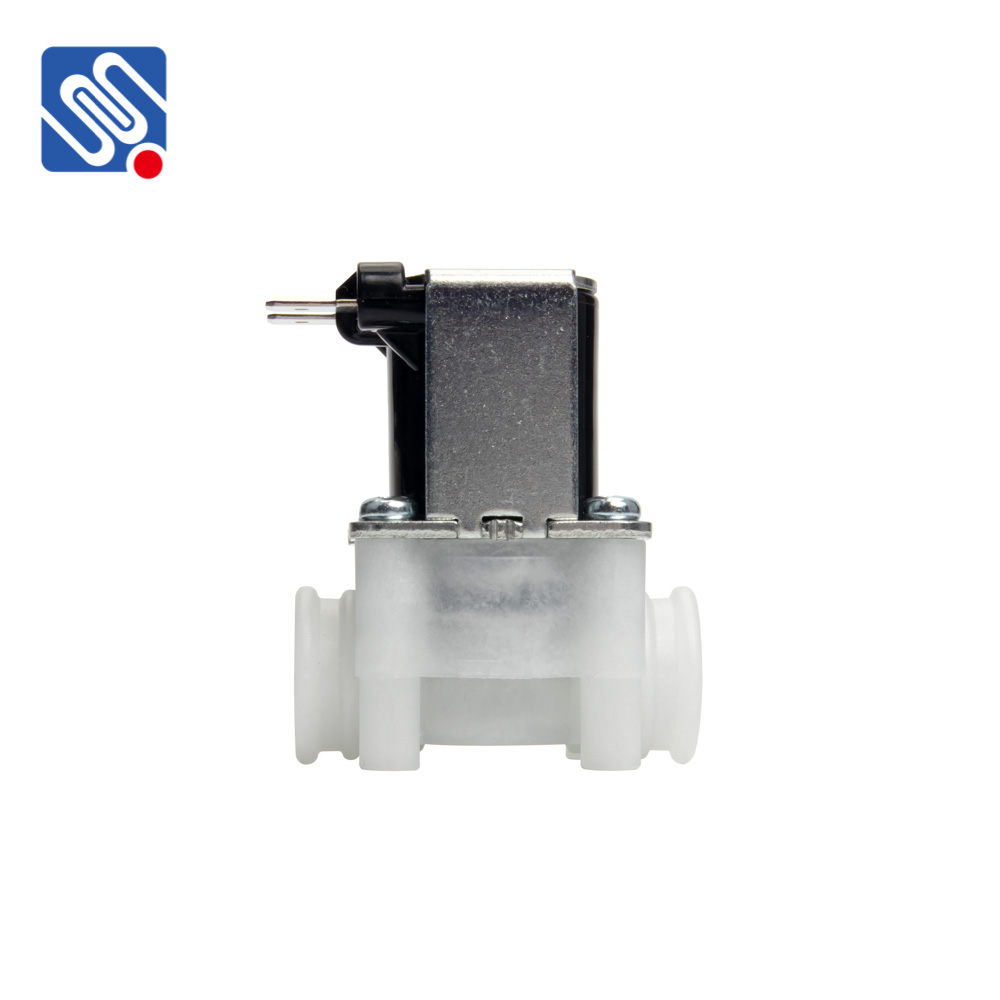
At its core, a PVC solenoid valve consists of a valve body, a solenoid coil, a plunger, a spring, and sealing components. The valve body, made of polyvinyl chloride (PVC), provides excellent resistance to acidic and alkaline solutions, which is a significant advantage over metal valves in certain chemical environments. The solenoid coil, typically an electrically energized copper winding, generates a magnetic field when current passes through it. This magnetic field moves the plunger, which either opens or closes the valve depending on the design. Springs are employed to return the plunger to its original position when the coil is de-energized, ensuring that the valve reliably returns to its default state. Sealing components, often made of EPDM or FPM, guarantee that the valve remains leak-proof under normal operating conditions.
Leave a Reply