In recent years, the world has witnessed a seismic shift towards automation across various industries, from manufacturing to healthcare. A pivotal component of this evolution is the electric actuator—specifically, the lithium battery electric actuator. This technology, which combines the advantages of electric actuation with the efficient power storage provided by lithium batteries, is set to redefine the landscape of automation and robotics.
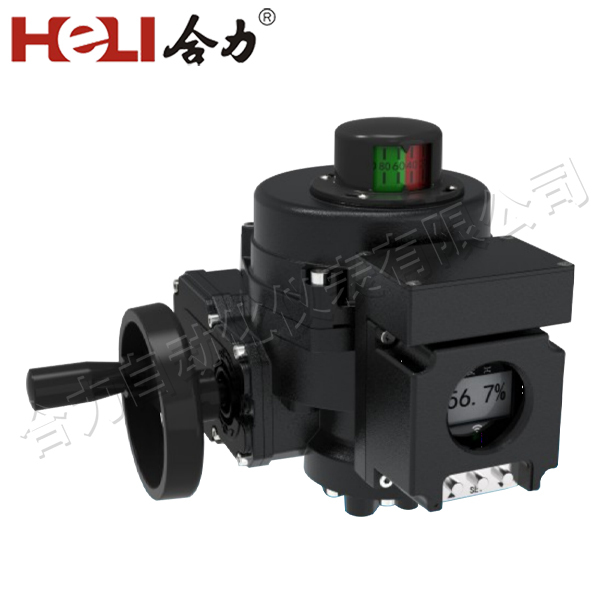
What is a Lithium Battery Electric Actuator?
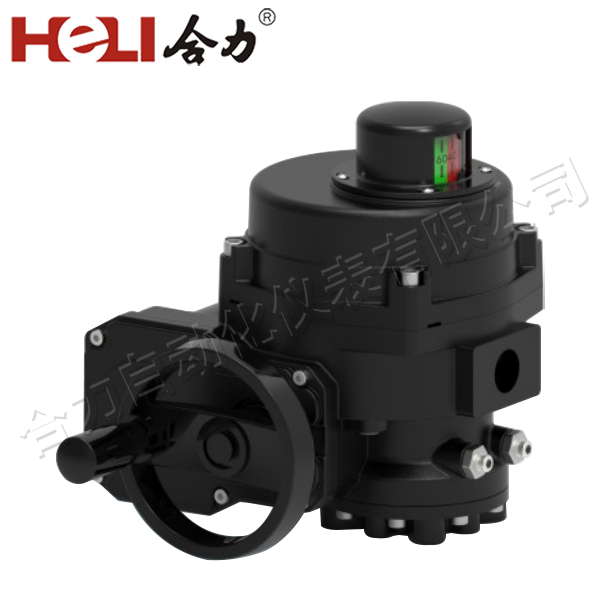
A lithium battery electric actuator is a device that converts electrical energy into mechanical motion, utilizing lithium battery technology for power supply. These actuators are composed of several key components: a lithium-ion battery, an electric motor (which could be a DC motor, stepper motor, or servo motor), a control system, and a mechanical transmission mechanism. Together, these elements work harmoniously to deliver precise and reliable motion control in various applications. Advantages of Lithium Battery Electric Actuators Energy Density and Efficiency One of the most significant advantages of lithium battery electric actuators is their high energy density. Lithium batteries are known for their ability to store a large amount of energy relative to their size and weight. This feature is crucial in applications requiring portability and extended operational time without frequent recharging. Additionally, lithium batteries offer quick charging capabilities, further enhancing the actuator’s usability in time-sensitive environments.
Leave a Reply