The Vacuum Arc Extinguishing Relay (VAER) is an integral component in the realm of electrical engineering, particularly in the protection of high-voltage power systems. As the world transitions to more complex electrical grids with increased demand for reliability, understanding the mechanisms and advantages of devices like the VAER has become essential for engineers and technicians alike. This article delves into the functionality, structure, operational principles, and applications of the Vacuum Arc Extinguishing Relay, illustrating why it has emerged as a staple in electrical safety apparatus.
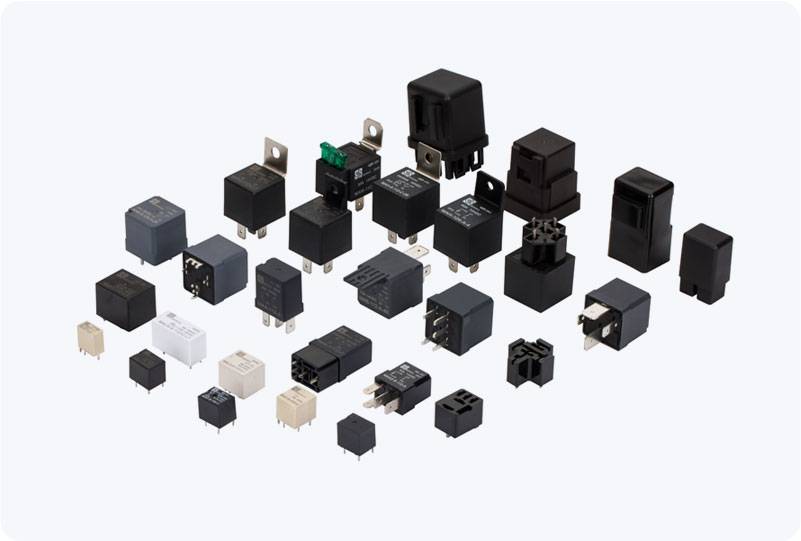
Functionality of VAER At its core, the primary function of the Vacuum Arc Extinguishing Relay is to detect electrical faults and swiftly disconnect the faulty sections of the circuit. This disconnection helps prevent equipment damage and minimizes the risk of fire or electrical hazards. The VAER is particularly notable for its ability to extinguish electrical arcs that may occur during the interruption of high currents. Electrical arcs, which are generated when disconnection occurs, can cause significant damage to circuit components and pose serious safety risks. The VAER utilizes a unique method to extinguish these arcs efficiently and effectively.
Leave a Reply