In the realm of electrical engineering, particularly in high-voltage (HV) power systems, the IGBT-based high-voltage relay (HV relay) has emerged as a game-changer. Its ability to effectively control large currents and voltages, combined with superior switching speed and efficiency, makes it indispensable in modern power distribution and automation systems. This article delves into the working principles, advantages, and applications of the IGBT-based HV relay.
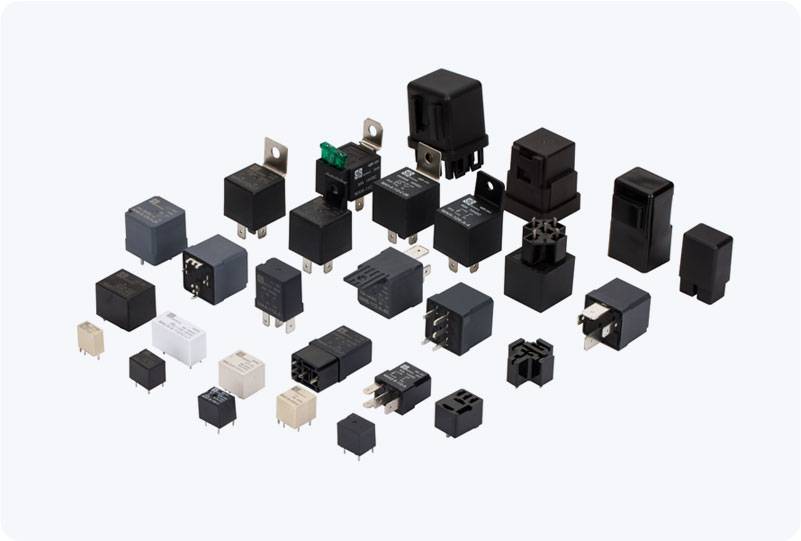
What is an IGBT-Based HV Relay? An IGBT-based HV relay is a type of solid-state relay that uses Insulated Gate Bipolar Transistor (IGBT) technology to control high-voltage and high-current electrical circuits. Unlike traditional mechanical relays, which rely on physical moving parts to make or break connections, IGBT-based relays operate using semiconductor materials and solid-state components. This transition from mechanical to solid-state switching technology allows IGBT relays to function more efficiently and reliably. IGBTs combine the advantages of both MOSFETs (Metal-Oxide-Semiconductor Field-Effect Transistors) and bipolar junction transistors (BJTs). They offer high efficiency and fast switching capabilities, making them ideal for applications involving high-power, high-voltage circuits.
Leave a Reply