Pneumatic actuators are vital components in various industrial and commercial applications, utilizing compressed air to create mechanical movement. This technology plays a significant role in automation, providing efficient, reliable, and powerful actuation solutions for numerous systems. This article delves into the working principles of pneumatic actuators, their types, applications, and the advantages they offer.
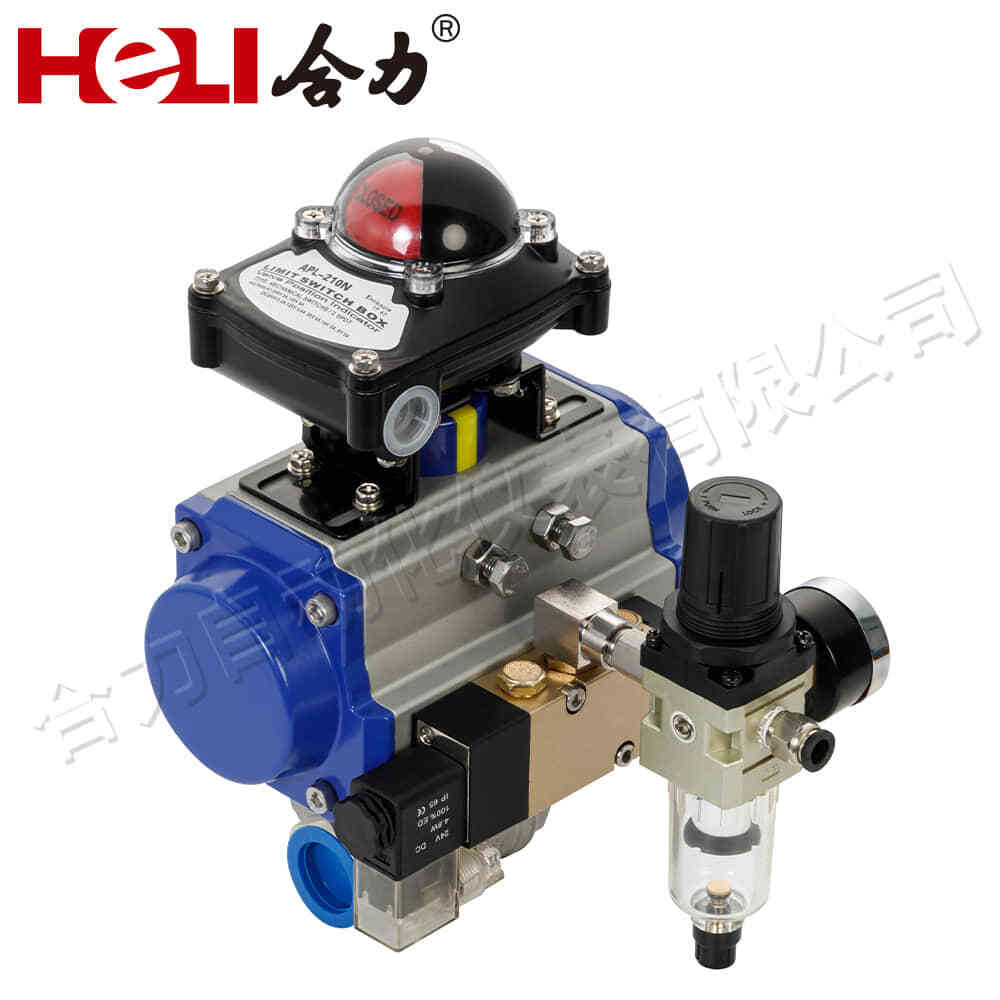
What is a Pneumatic Actuator?
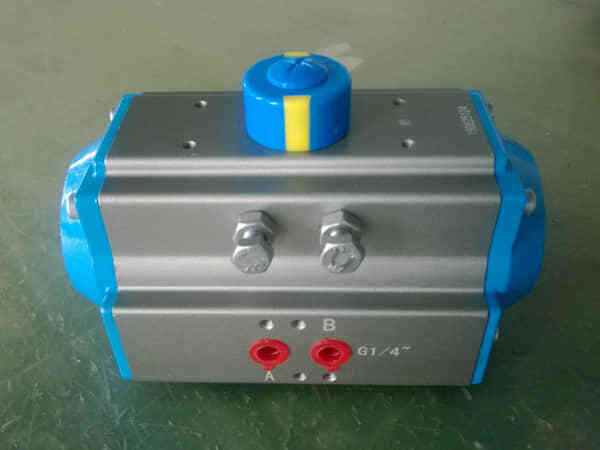
A pneumatic actuator converts compressed air energy into mechanical motion. It consists of a cylinder, piston, and other components that work together to facilitate linear or rotary movement. When compressed air enters the actuator, it exerts pressure on the piston, causing it to move within the cylinder. This motion can be harnessed to operate valves, gates, and other mechanical devices. Types of Pneumatic Actuators Pneumatic actuators are categorized into various types based on their design and application: Linear Pneumatic Actuators: These actuators generate straight-line motion. They are commonly used in applications like controlling valves and gates. Linear actuators can be single-acting, where air pressure moves the piston in one direction and a spring returns it, or double-acting, where air pressure is used for both extension and retraction.
Leave a Reply