A DC solenoid valve is an electromagnetic device that controls the flow of fluids (gas or liquid) through a system. Utilizing the basic principles of electromagnetism, this valve can switch between open and closed positions, allowing for precise control of fluid dynamics in various industries. In this article, we’ll explore the working principle, key applications, advantages, and some important considerations when working with DC solenoid valves.
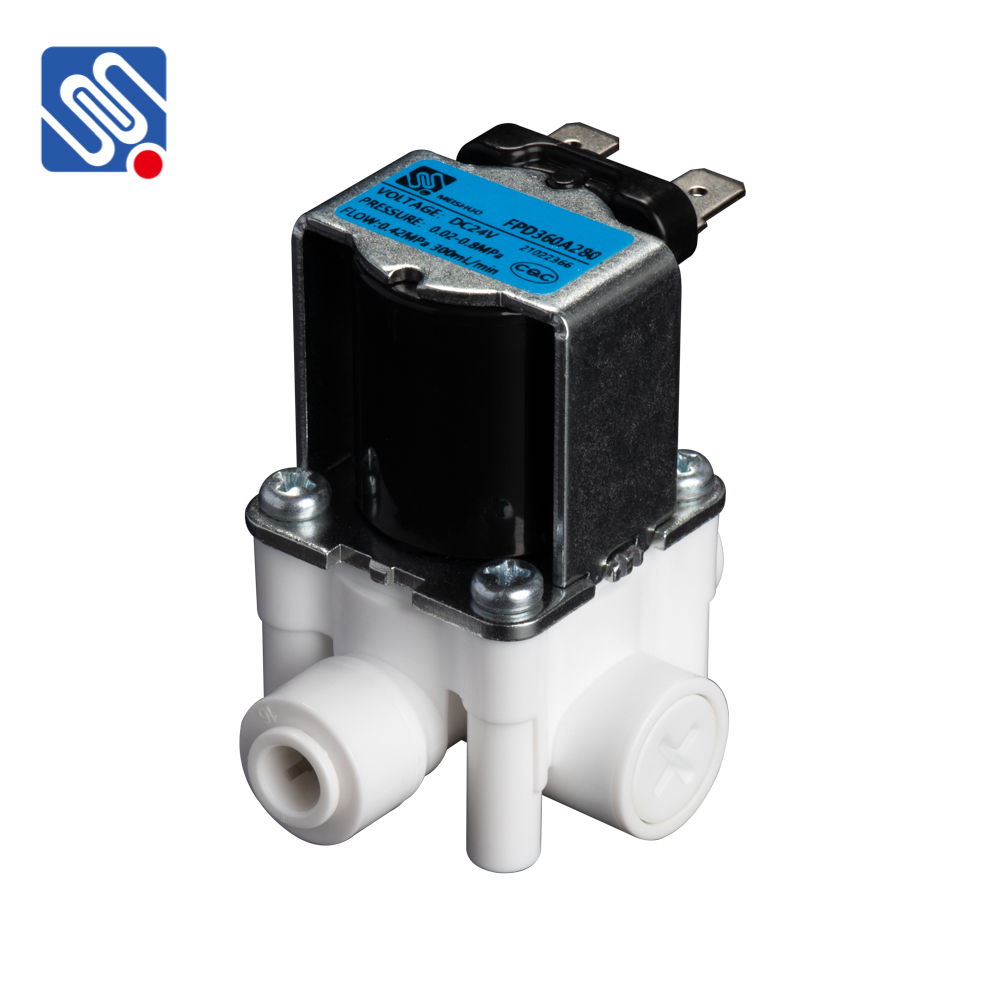
Working Principle At the heart of a DC solenoid valve is the solenoid, a coil of wire through which direct current (DC) passes. When electric current flows through the coil, it generates a magnetic field that pulls or pushes a ferromagnetic plunger or armature. This movement opens or closes the valve, allowing or stopping the flow of fluid. The solenoid valve consists of three main components: The Solenoid Coil: This is the electromagnet that generates the magnetic field when energized. The Armature (Plunger): A metal piece that moves in response to the magnetic field, opening or closing the valve.
Leave a Reply