In recent years, the industrial sector has experienced rapid advancements in automation and control systems. A crucial component of this transformation is the development and widespread adoption of electric-actuated valves, particularly the electric V-ball valve. These valves are used in various industries, including oil and gas, chemical processing, water treatment, and HVAC systems, offering precise control over fluid and gas flow. China, as one of the global manufacturing hubs, has emerged as a leader in producing electric V-ball valves, thanks to its combination of cutting-edge technology, cost-effectiveness, and high-quality standards.
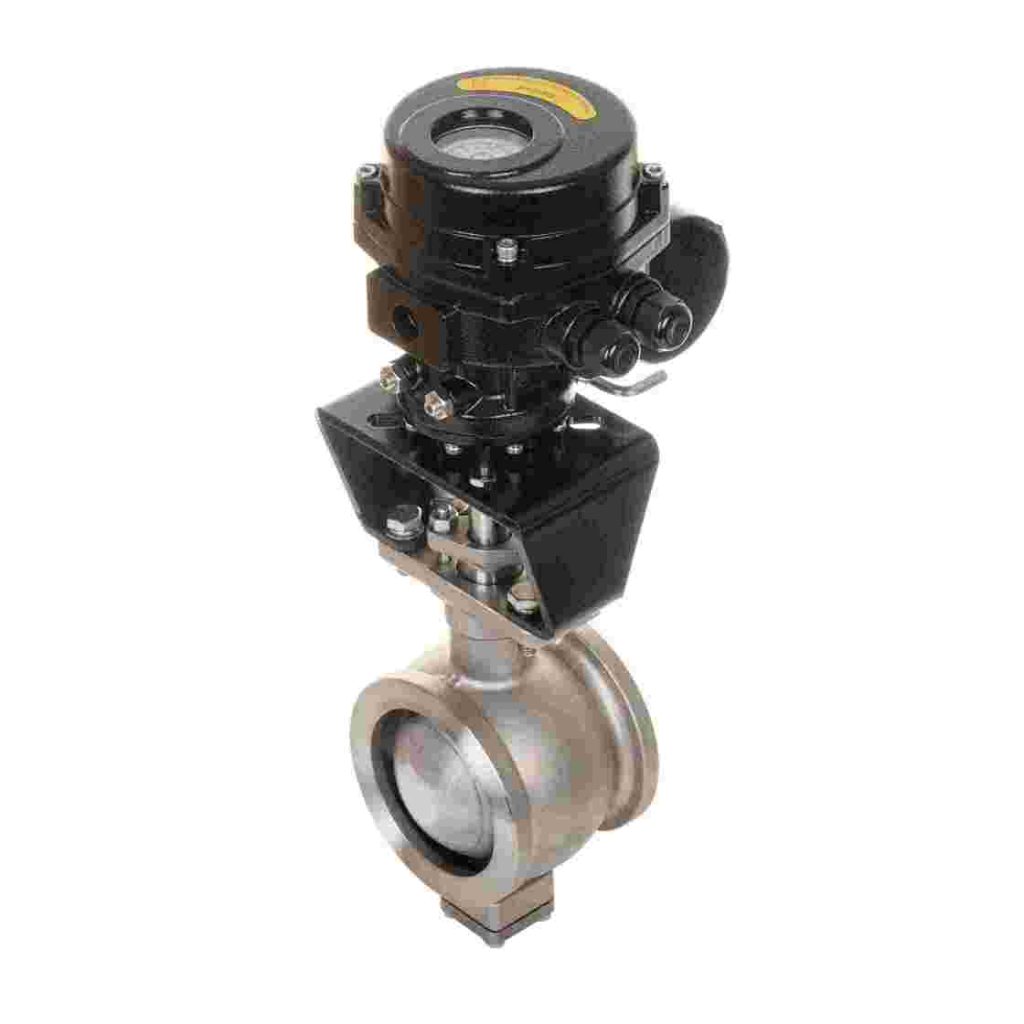
The Electric V-Ball Valve: What Makes It Unique?
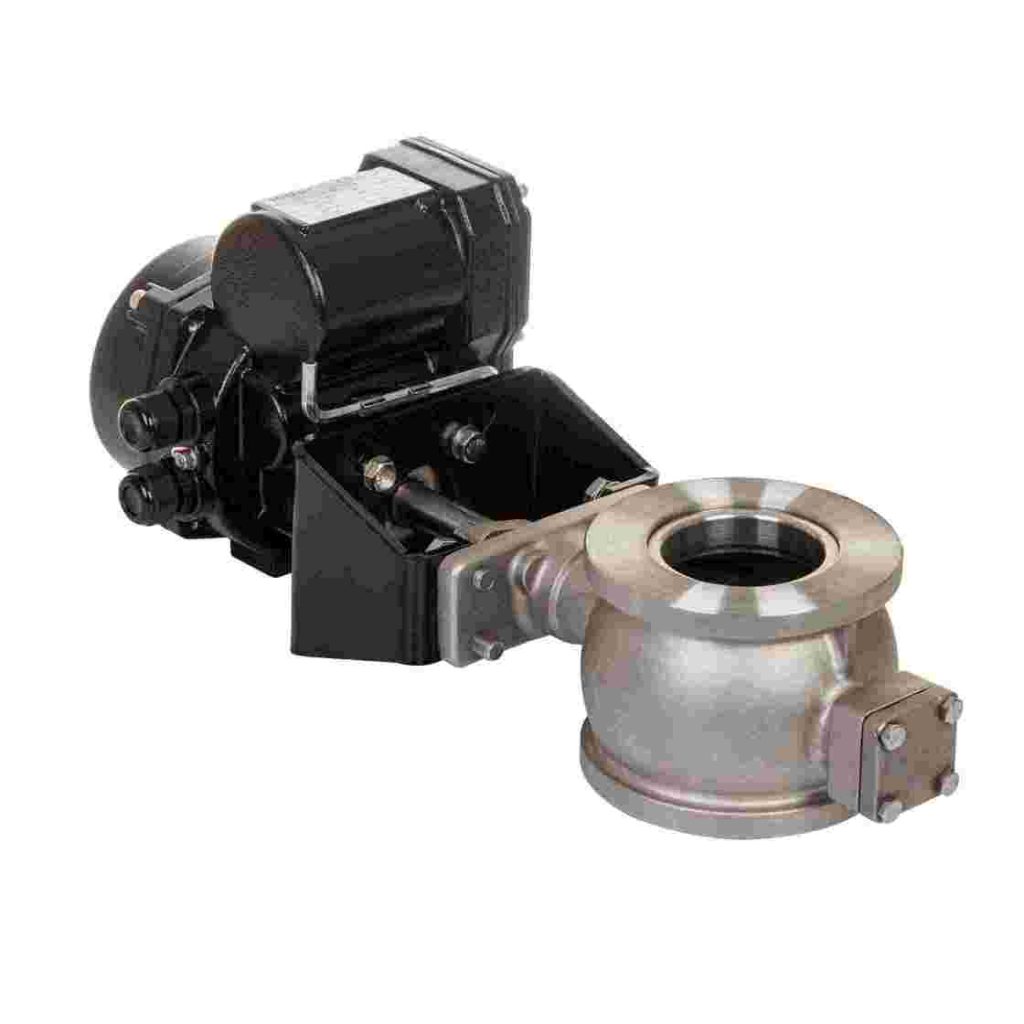
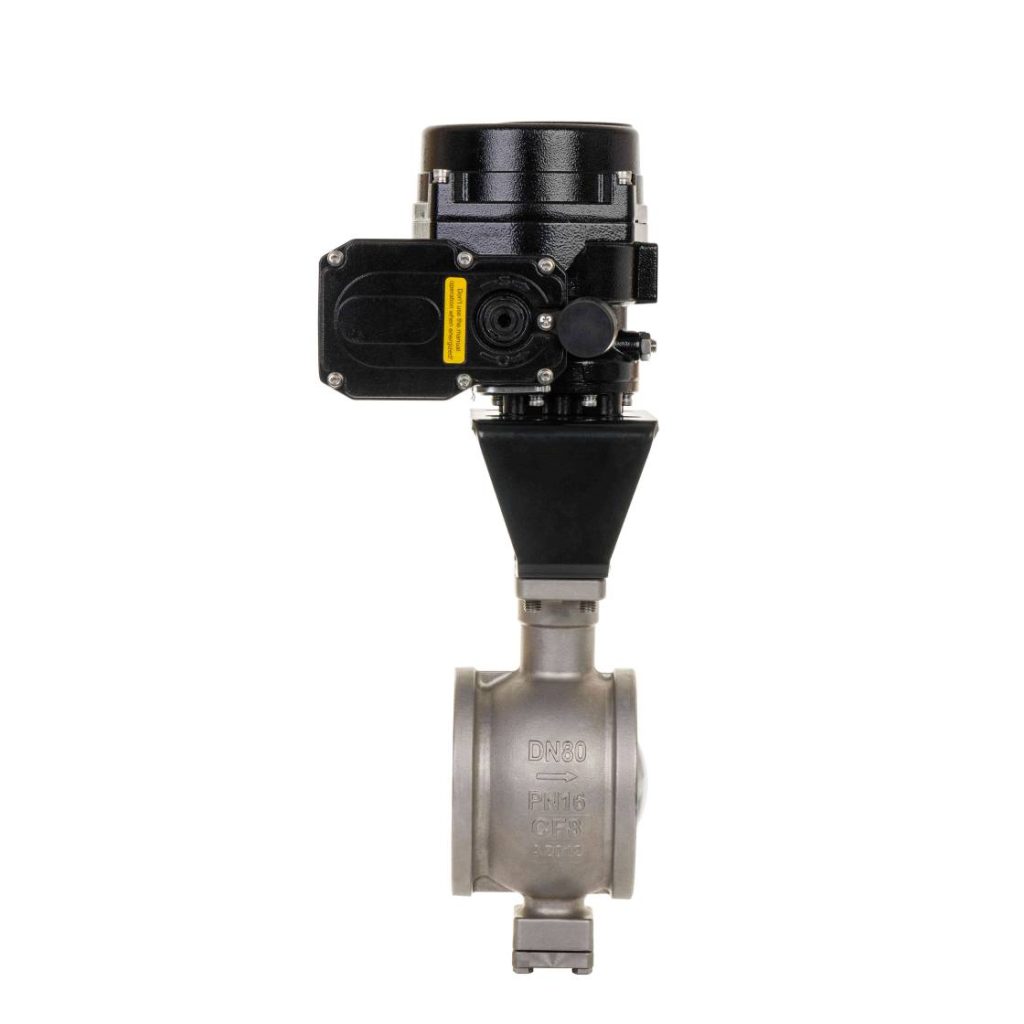
The V-ball valve is characterized by a ball with a “V” shaped cut-out, which allows for better regulation of fluid or gas flow compared to traditional ball valves. This design provides enhanced precision and control, especially in applications requiring a variable flow rate. The electric actuator attached to the V-ball valve enables it to be operated remotely, offering greater flexibility and convenience in industrial processes. Electric V-ball valves are designed to automate operations in systems where valves need to be adjusted frequently, such as in chemical reactors, pipelines, and water treatment plants. The electric actuator ensures that the valve can be opened or closed with pinpoint accuracy, and it can be integrated into broader automation systems for remote control and monitoring. This is particularly useful in reducing human intervention, minimizing the risk of errors, and improving overall system efficiency.
Leave a Reply