A 24V 10A relay is a crucial electronic component used for controlling high-power devices with a low-power control signal. Relays act as electrically operated switches that open and close circuits in response to an external electrical signal. The combination of the 24V voltage rating and 10A current handling capacity makes this type of relay highly versatile for various industrial, automotive, and household applications. In this article, we will explore the fundamental working principle of a 24V 10A relay, its applications, and the key considerations when using it.
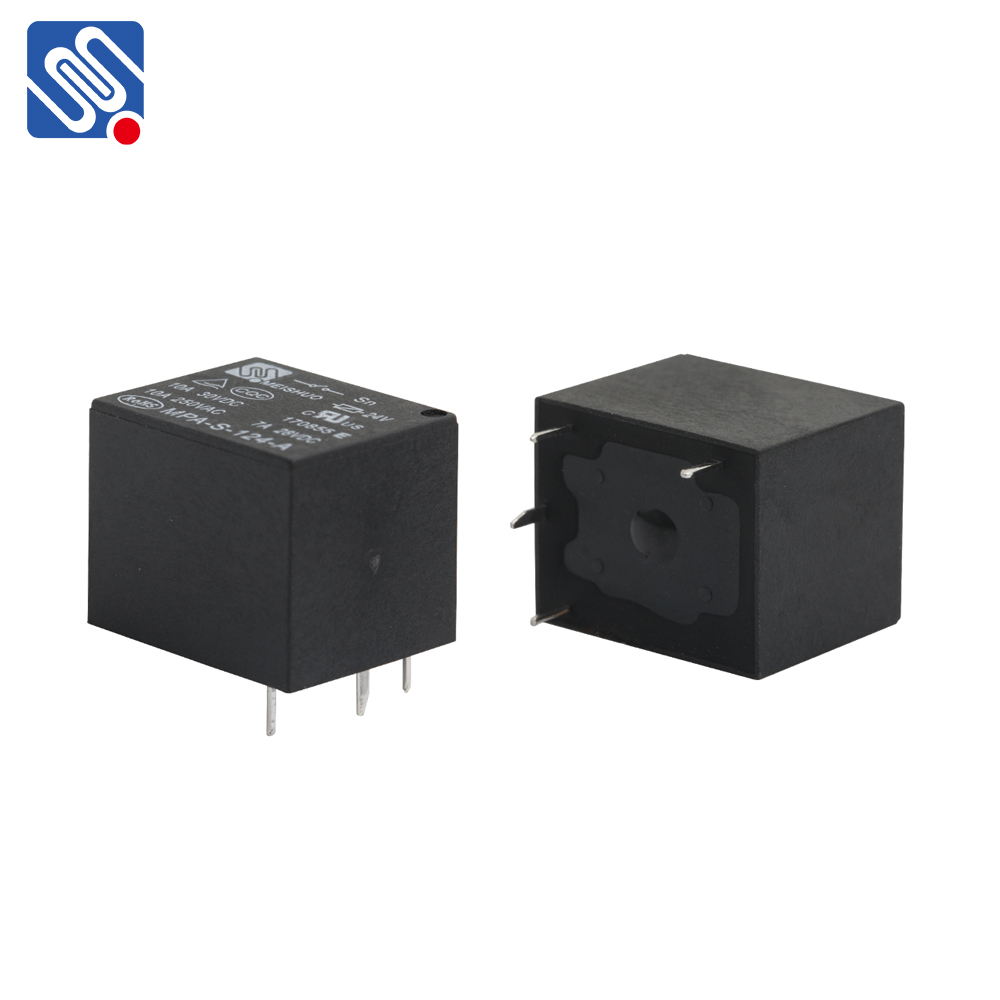
Working Principle of a 24V 10A Relay The fundamental operation of any relay, including the 24V 10A relay, is based on electromagnetic induction. It consists of several components: Coil (Electromagnet): This is the heart of the relay, where electrical energy is converted into magnetic energy. When a 24V signal is applied to the coil, it generates a magnetic field that attracts or repels a metal armature, which in turn opens or closes the relay contacts. Contacts: The relay features several contacts—typically, one or two sets of Normally Open (NO) and Normally Closed (NC) contacts. The NO contacts are open when the relay is not energized and close when the relay is activated, allowing current to flow through the load. Conversely, NC contacts are closed when the relay is not energized and open when activated.
Leave a Reply