In the world of modern electronics, components that meet stringent safety, health, and environmental standards are crucial to ensuring both the performance and sustainability of devices. Among these components, relays play a pivotal role in controlling electrical circuits and devices, while CE and RoHS certifications guarantee that they meet essential regulatory requirements. This article explores the significance of CE RoHS Certified Relay, highlighting its importance in terms of safety, environmental protection, and its applications across various industries.
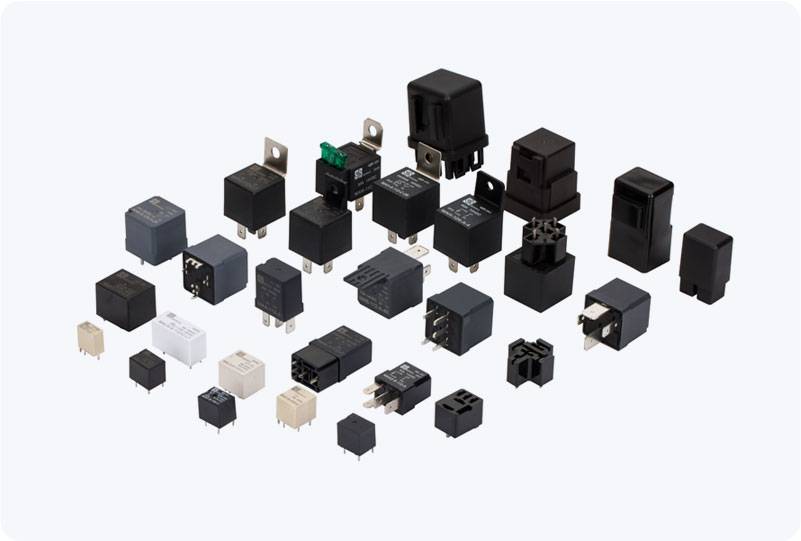
What is a Relay? A relay is an electromechanical device used to control a circuit by opening or closing contacts in response to an electrical signal. Essentially, it acts as an electrical switch that enables low-voltage circuits to control higher-voltage systems. The primary function of relays in most electronic applications is to manage current flow and ensure the proper functioning of circuits, often in environments with high power demands. These devices are critical in a variety of sectors, such as automotive, industrial automation, telecommunications, and home appliances. Relays are designed to handle a range of electrical loads and operate efficiently for extended periods. Key characteristics that define relays include coil voltage, contact voltage, contact configuration (Normally Open or Normally Closed), and mechanical/electrical lifespan. Relays can vary in size and complexity depending on the specific application requirements, but their primary goal remains the same: to enable control and protection within electronic systems.
Leave a Reply