Lockout/tagout (LOTO) padlocks play a crucial role in safeguarding workers from the dangers of unexpected equipment activation during maintenance and repair processes. Whether in manufacturing, energy production, or any other high-risk industry, these safety devices help prevent accidents that could lead to severe injuries or even fatalities. By effectively controlling hazardous energy sources, lockout tagout padlocks contribute to a culture of safety and ensure compliance with industry regulations. This article will explore the significance, design, and usage of lockout tagout padlocks, providing insight into how they work and why they are essential to workplace safety.
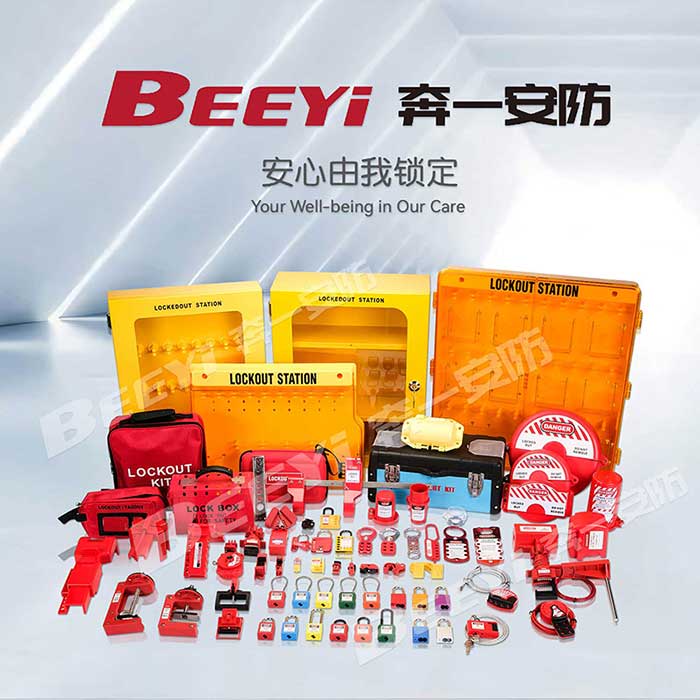
What Are Lockout Tagout Padlocks? Lockout/tagout padlocks are specialized locking mechanisms used to secure equipment and prevent its operation during maintenance. They are part of a larger lockout/tagout (LOTO) procedure, which is designed to isolate hazardous energy sources, such as electricity, steam, or gas, while maintenance workers are servicing or repairing machines. The primary function of these padlocks is to ensure that workers cannot accidentally start or energize equipment while someone is working on it. These padlocks are usually brightly colored, often red or yellow, to make them highly visible and easy to identify. Each padlock is designed to be applied to energy isolation points on machinery—such as valves, switches, or circuit breakers—and only the person who applied the lock can remove it. This helps maintain strict control over the equipment and prevents unauthorized individuals from tampering with the machinery.
Leave a Reply