Relay compatibility is an essential aspect in the design and integration of various electrical systems, particularly those that involve automated processes, remote control systems, or home automation. A relay, being an electrically operated switch, is used to control a circuit by opening or closing contacts. These devices are common in industrial automation, telecommunication, home security systems, and more. The ability to ensure that a relay is compatible with the circuit or system in which it is being used is crucial for the proper functioning and longevity of both the relay and the associated components. In this article, we will explore the key factors influencing relay compatibility and how to ensure that the chosen relay meets all the necessary requirements for your application.
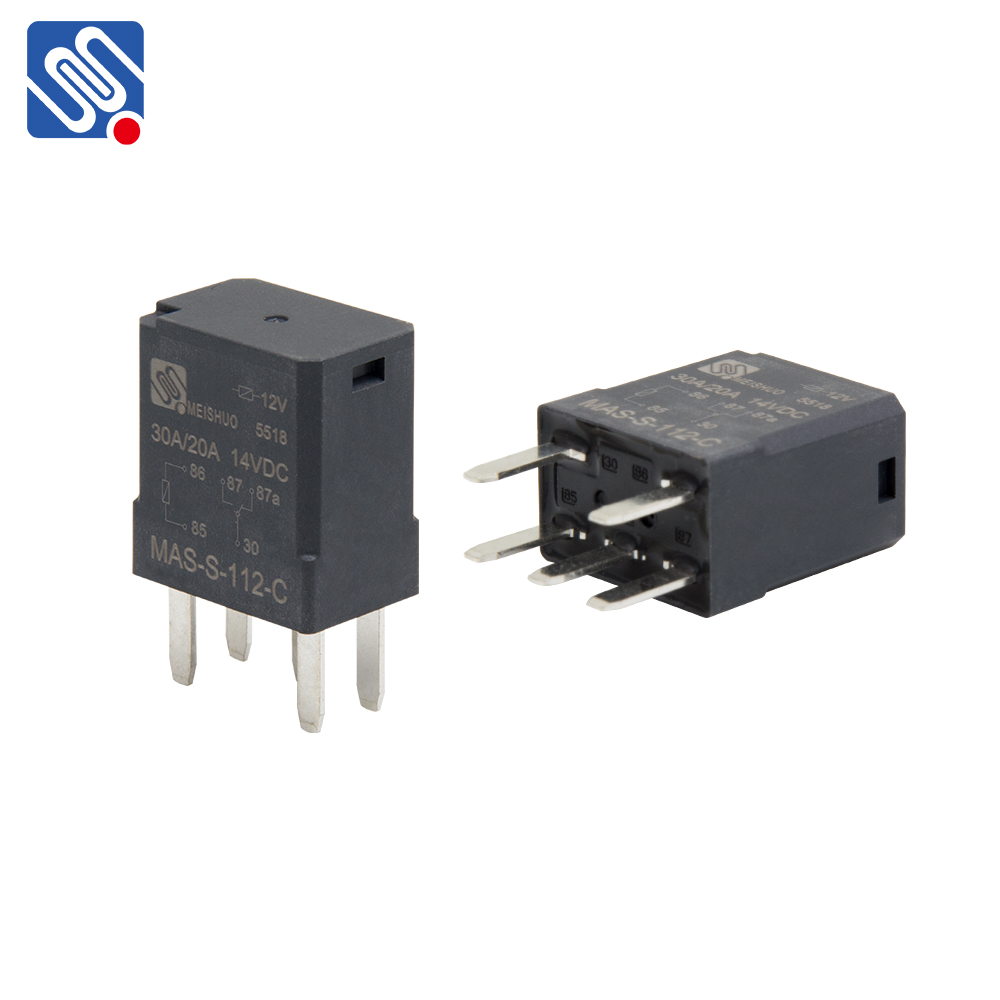
1. Voltage and Current Compatibility One of the most important factors in relay compatibility is the voltage and current rating of the relay. Every relay has a specified voltage and current that it can handle. This includes the coil voltage (the voltage required to activate the relay) and the contact voltage and current (the voltage and current that the relay can control). It is critical to select a relay that can handle the operating voltage and the current requirements of the connected load. For instance, if you’re using a relay to control a motor, the relay needs to handle the motor’s operating current and voltage. If the relay is under-rated for the specific load, it can overheat, potentially leading to failure or even damage to the system. Conversely, choosing a relay with an excessively high rating could unnecessarily increase the cost and size of the system.
Leave a Reply