A 12V 100A relay is a critical component in various electrical and automotive systems, designed to switch high-current circuits using a low-voltage control signal. This relay can handle up to 100 amps of electrical current, making it essential for applications that require both reliability and efficiency in controlling large power loads. Whether you’re working on automotive projects, industrial machines, or renewable energy systems, understanding the key features and applications of a 12V 100A relay can help optimize performance and ensure safety in your electrical systems.
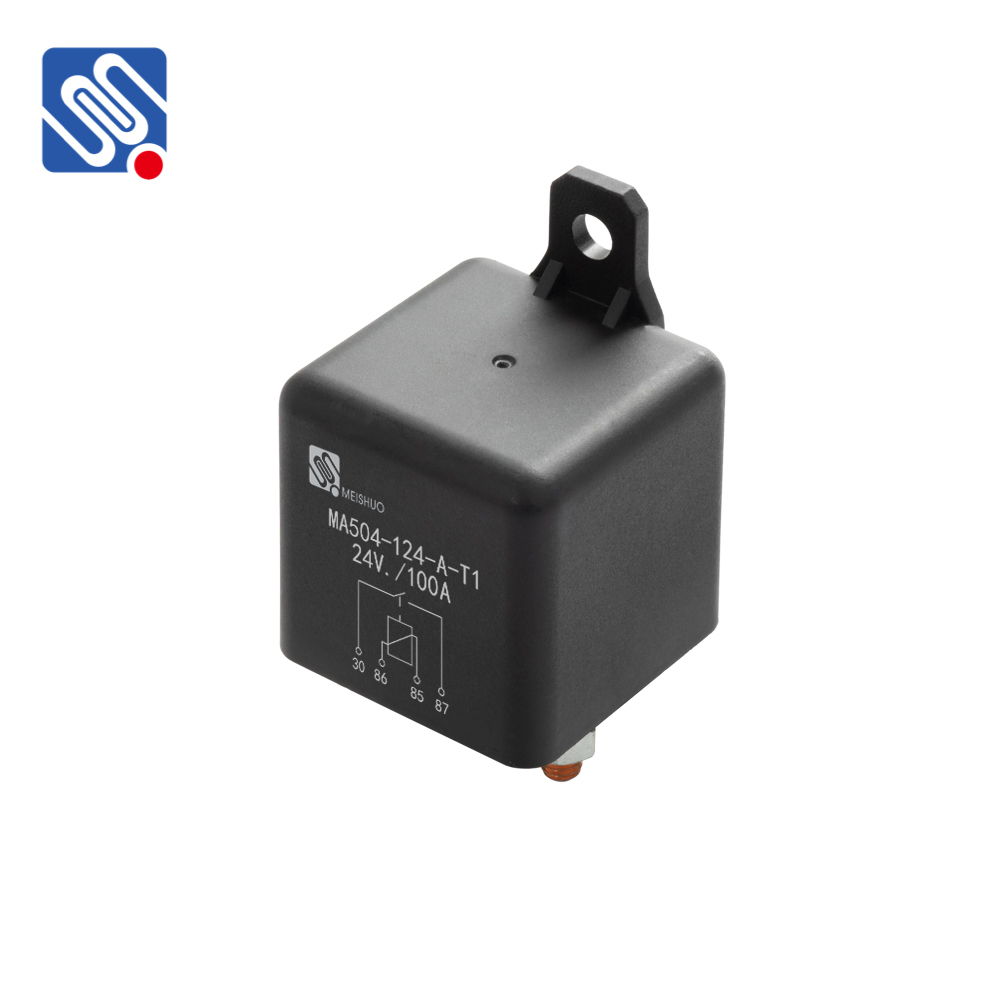
What is a 12V 100A Relay? A 12V 100A relay is an electromagnetic switch that uses a 12V direct current (DC) voltage to control the opening and closing of electrical contacts. It is typically used to control circuits carrying large amounts of electrical current—up to 100 amps—using a small control signal. Relays like this one are typically rated for high-current applications, allowing users to switch power to heavy machinery, automotive components, and other devices that demand significant power. The primary components of a 12V 100A relay include the coil, which is energized by the 12V control signal, and the switch (contacts) that opens or closes to control the connected circuit. These relays typically feature a set of normally open (NO) and normally closed (NC) contacts that can be configured for different circuit requirements.
Leave a Reply