The modern agricultural industry relies heavily on efficient irrigation systems to ensure the optimal growth of crops. As water scarcity becomes an increasing concern worldwide, the demand for smart, sustainable, and cost-effective irrigation solutions has grown exponentially. One such solution that is revolutionizing agricultural water management is the electric butterfly valve. Used in controlling water flow, these valves play a critical role in irrigation systems, providing the necessary precision and efficiency that today’s farms require. This article will explore the function, benefits, and significance of electric butterfly valves, and delve into the role of electric butterfly valve for agricultural irrigation manufacturers in producing these essential components.
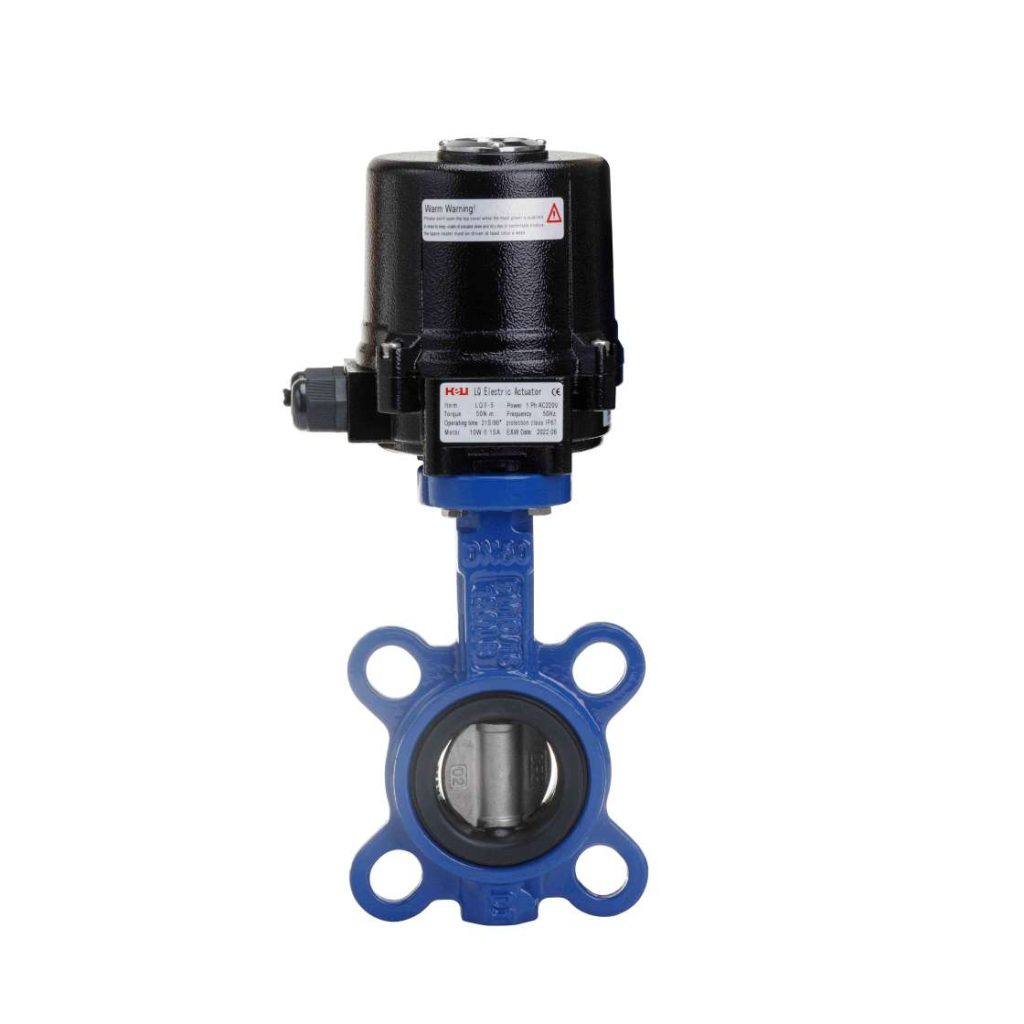
What is an Electric Butterfly Valve?
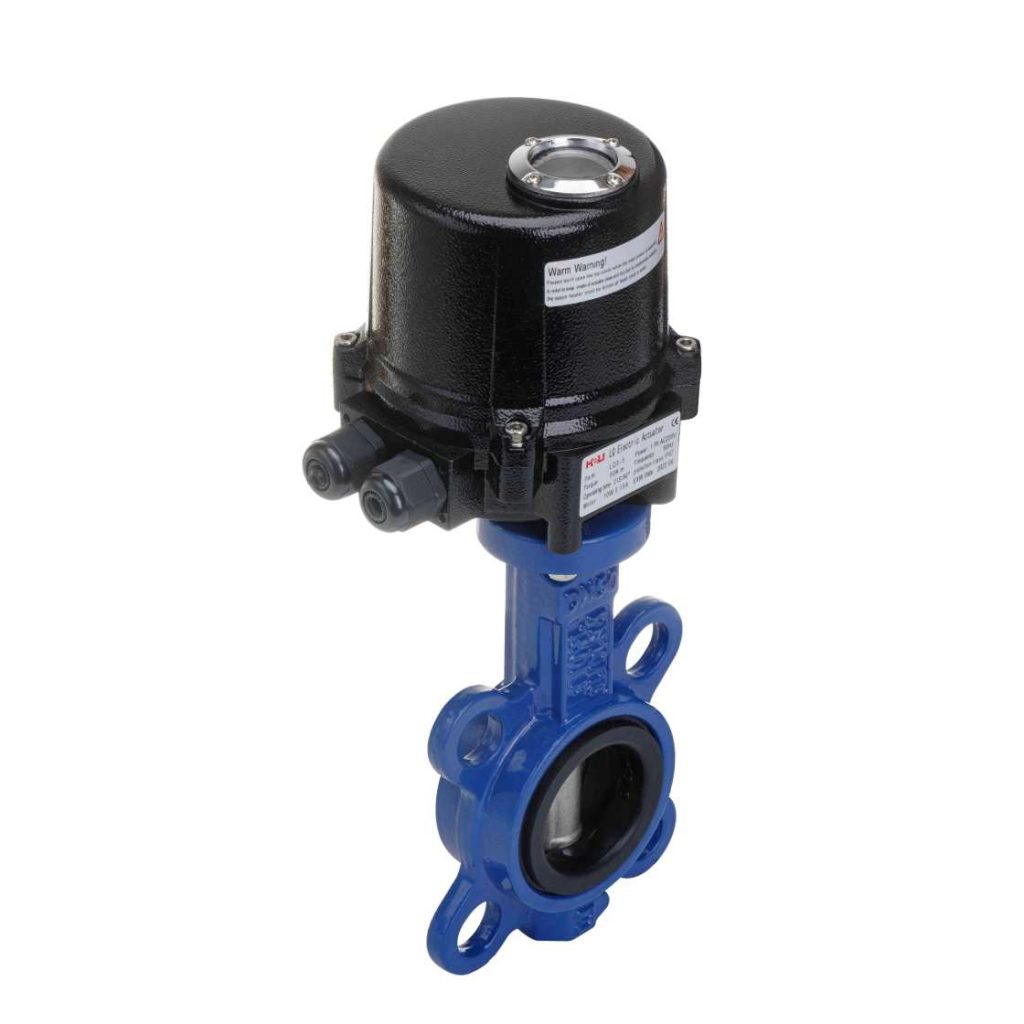
An electric butterfly valve is a type of valve that uses an electric actuator to open and close a circular disc, allowing for the regulation of fluid flow through pipelines. In the context of agricultural irrigation, these valves are employed to control the flow of water, ensuring that crops receive the right amount of hydration without waste. Unlike traditional manual valves, electric butterfly valves are automated and can be controlled remotely, often through a central system, allowing for real-time adjustments to flow rates. The electric actuator is typically powered by electricity and, in some cases, may even be integrated into automated irrigation systems that utilize sensors to gauge soil moisture levels, weather conditions, and crop needs. By incorporating electric butterfly valves, farmers can significantly enhance the efficiency and sustainability of their irrigation practices.
Leave a Reply