Relay wiring is an essential concept in electrical systems, allowing for the control of high-power circuits using low-power control signals. A relay is an electromagnetic switch that enables one circuit to control another, making it invaluable in a variety of applications such as automation, remote control, and protection systems. In this article, we will delve into the basics of relay wiring, the types of relays, and the proper way to wire a relay for different purposes.
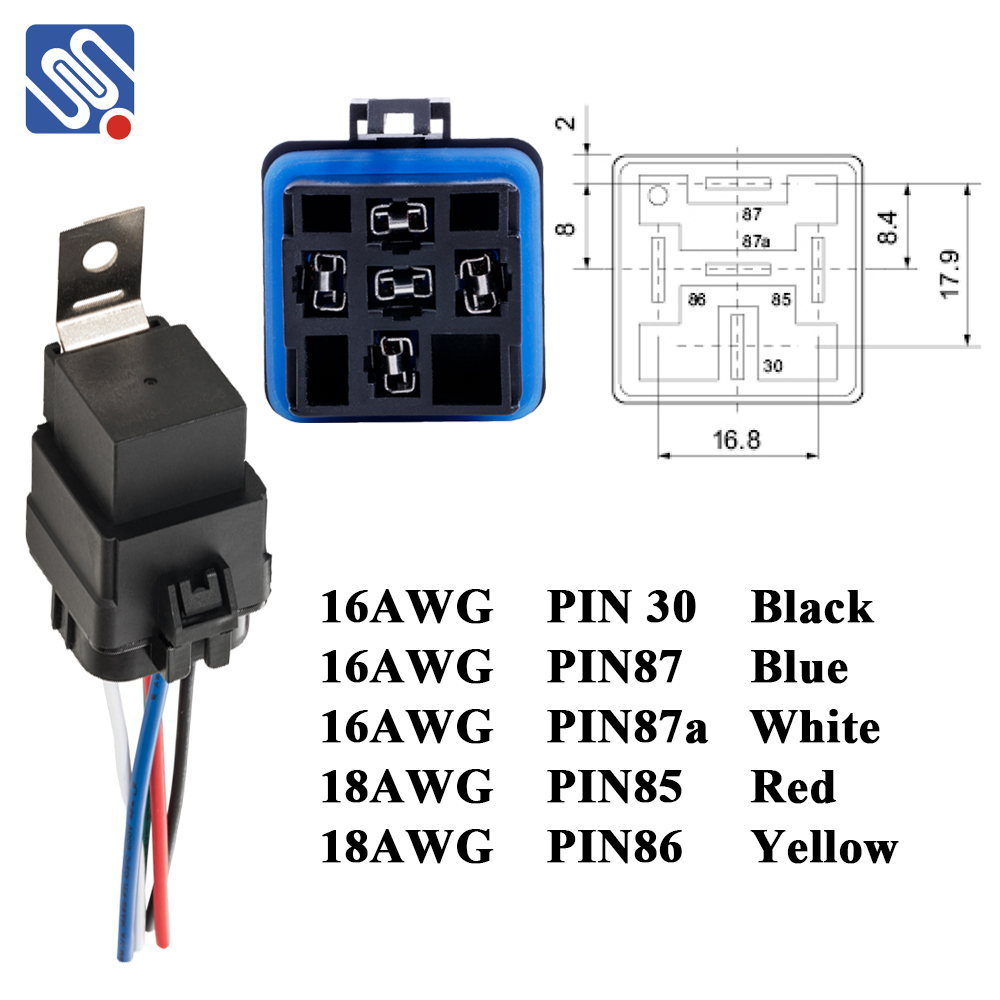
What is a Relay? A relay is essentially a switch that is activated by an electrical signal. When a low-voltage signal is applied to the relay’s coil, it generates a magnetic field that moves a set of internal contacts, either opening or closing them. These contacts can control a much larger current in a secondary circuit, which is often referred to as the “load circuit.” The main advantage of using a relay is that it allows low-power components, such as microcontrollers or sensors, to control high-power devices like motors, lights, or heavy machinery. Types of Relay Contacts When working with relay wiring, it’s essential to understand the different types of contacts that come with relays:
Leave a Reply