In the rapidly evolving world of power electronics, the IGBT-Based High Voltage (HV) Relay has emerged as a revolutionary component, replacing traditional mechanical relays in high voltage systems. By utilizing the power of Insulated Gate Bipolar Transistor (IGBT) technology, these relays offer high efficiency, reliability, and precision in controlling high-voltage circuits. This article delves into the working principles, applications, advantages, and challenges of IGBT-Based HV Relays, highlighting their significance in modern electronic systems.
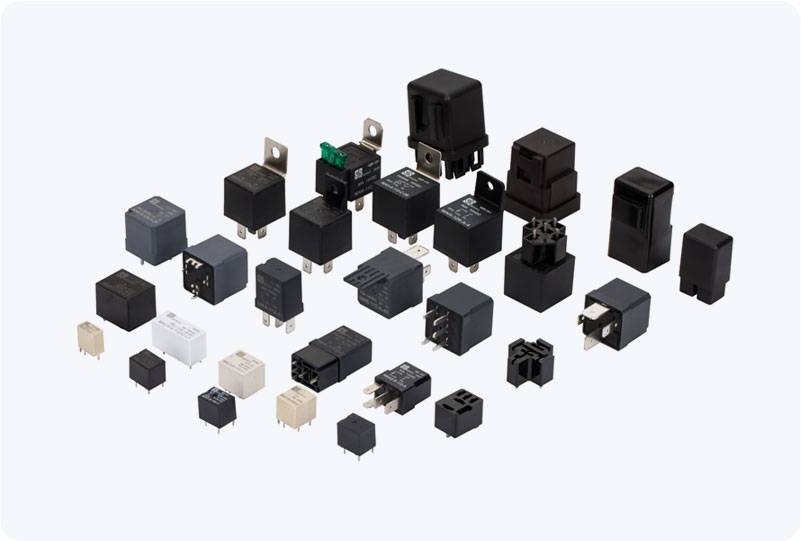
What is an IGBT-Based HV Relay? An IGBT-Based HV Relay is a solid-state relay that uses IGBTs to control high-voltage circuits. IGBTs, which combine the easy control of MOSFETs with the high-current carrying capability of BJTs, make them ideal for switching applications in environments with high voltages and currents. In a typical IGBT-based relay, the IGBT acts as the switch, turning the high-voltage load on or off depending on the input signal. Unlike traditional mechanical relays, which rely on physical contact to open or close a circuit, IGBT relays function electronically, offering faster response times and greater durability. These relays are increasingly used in electric vehicles (EVs), industrial power systems, and renewable energy storage systems, where rapid and reliable high-voltage switching is critical.
Leave a Reply