In the rapidly advancing world of technology, the Internet of Things (IoT) has taken center stage, leading to innovative solutions that enhance our lives. Among these advancements is the concept of the Webhook Enabled IoT Relay, a powerful tool that allows users to bridge the gap between various devices and services, enabling seamless communication and control. In this article, we will delve into what Webhook Enabled IoT Relays are, how they work, their benefits, and potential applications.
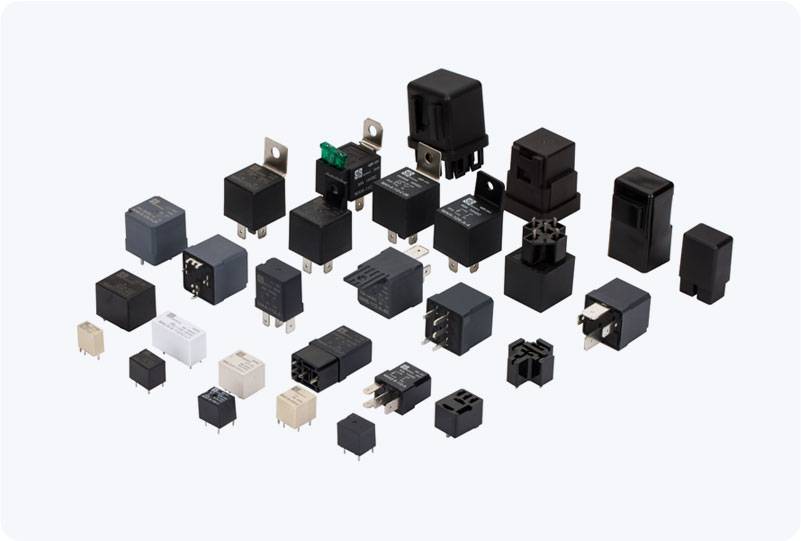
What is a Webhook Enabled IoT Relay? A Webhook Enabled IoT Relay is a device or platform that facilitates communication between different IoT devices using webhooks—user-defined HTTP callbacks. This technology allows for real-time data transmission between devices and services, eliminating the need for repetitive polling and ensuring instant responses to specific triggers. By employing webhooks, these relays can carry out commands issued from a remote service, activating or deactivating devices based on predefined events. How Does It Work? The operation of a Webhook Enabled IoT Relay revolves around two main components: the webhook and the IoT relay itself. When an event occurs—such as a sensor detecting temperature changes or a user triggering a command through a mobile app—a HTTP request is sent to the webhook URL configured in the system. This request usually contains relevant data about the event or the action to be executed.
Leave a Reply