In today’s fast-paced and increasingly automated industrial environments, safety remains a paramount concern. The Safety Isolated Relay plays a crucial role in ensuring the electrical safety of systems, protecting both personnel and equipment from potential hazards. This article delves into the functionality, characteristics, applications, and importance of Safety Isolated Relays in contemporary machinery and automation settings.
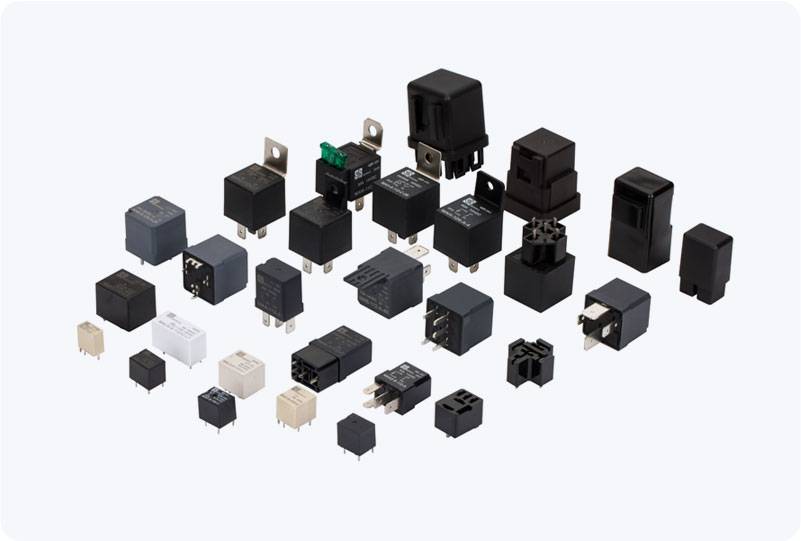
What is a Safety Isolated Relay? A Safety Isolated Relay is an electrical device designed to isolate electrical circuits, providing a form of protection that prevents dangerous voltages or faults from affecting downstream components. By ensuring that the input and output of a relay are electrically isolated, these devices minimize the risk of electric shock, equipment damage, and system malfunctions. Key Features of Safety Isolated Relays Electrical Isolation: One of the primary features of a Safety Isolated Relay is the ability to provide electrical isolation between the input and output circuits. This isolation protects sensitive electronics from high voltages and noise interference, enhancing the reliability of control systems.
Leave a Reply