In the world of electrical engineering, managing high-power circuits safely and effectively is a critical aspect of designing reliable systems. One of the key components used for this purpose is the High Current Relay (HCR). These relays play a vital role in controlling and switching high-current loads without causing damage to the system or risking user safety. In this article, we will explore what high current relays are, their working principles, applications, and the various types available in the market.
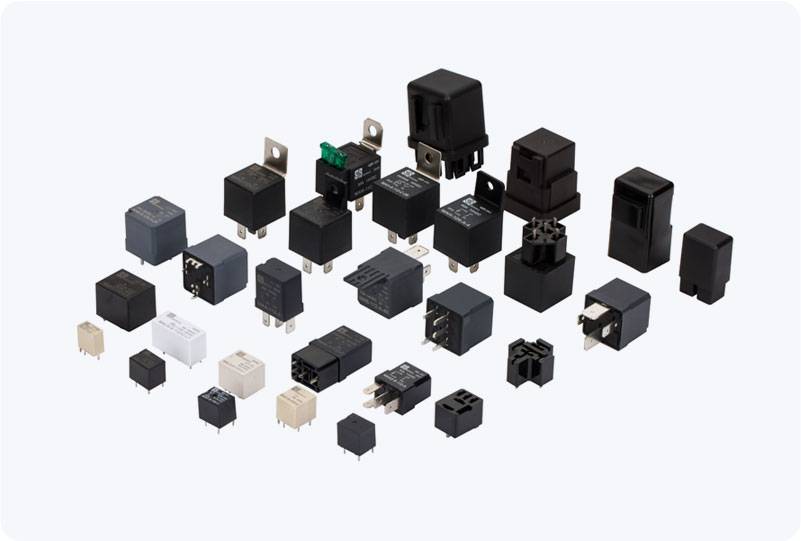
What is a High Current Relay? A High Current Relay is an electrical switching device that can handle and control large electrical currents, typically in the range of tens to hundreds of amps. It is used to switch a high-current circuit using a much smaller control current. Essentially, a relay allows a low-power control circuit to manage the operations of a high-power load, making it an essential tool for various industries, particularly those dealing with high-voltage and high-current systems. Working Principle of High Current Relays The working principle of a high current relay is relatively simple but effective. A relay consists of an electromagnet, a set of contacts, and a spring mechanism. When a control signal is applied to the relay, it energizes the electromagnet, which in turn moves the relay’s armature. This mechanical movement opens or closes the contacts, allowing the relay to switch the power to the load. The most important characteristic of a high current relay is its ability to handle significant current on the load side without damaging the relay components.
Leave a Reply