In the realm of industrial automation and fluid management, the electric two-seat regulating valve plays a pivotal role in ensuring precise control over fluid flow. These valves are designed to manage the flow rate, pressure, and temperature of various fluids in diverse applications, ranging from chemical processing to HVAC systems. This article delves into the fundamental aspects, benefits, applications, and operational principles of electric two-seat regulating valves, underscoring their significance in contemporary engineering practices.
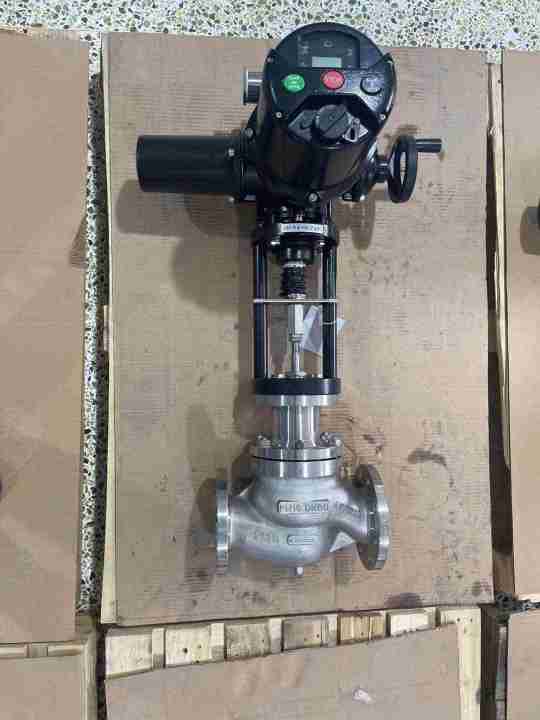
Understanding Electric Two-Seat Regulating Valves An electric two-seat regulating valve is a type of control valve equipped with two seats, allowing for more precise flow regulation compared to single-seat designs. The term “two-seat” refers to the presence of two sealing surfaces that work in tandem to manage the flow of fluid through the valve body. These valves are operated by an electric actuator, which provides automated control based on the requirements of the system. The actuator can receive signals from a control system, enabling real-time adjustments to fluid flow in response to varying process conditions.
Leave a Reply