A 30A high-power relay is a crucial electronic component widely used in various electrical systems, particularly in automotive, industrial, and household applications. These relays act as switches that allow low-power control signals to manage high-power circuits, making them indispensable in a range of devices. In this article, we will delve into the features, working principles, applications, and advantages of 30A high-power relays.
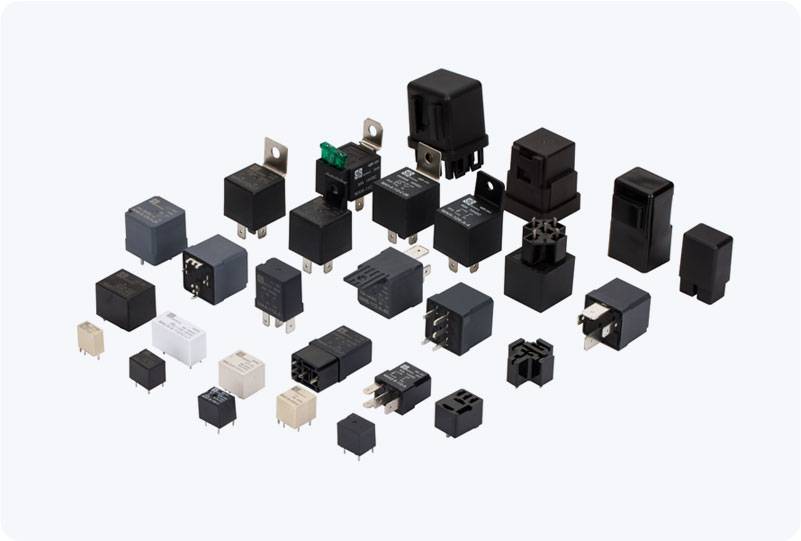
What is a 30A High-Power Relay? At its core, a relay is an electromechanical device designed to control one electrical circuit with another, typically through the use of an electromagnet. A 30A high-power relay specifically refers to a relay that can handle an electrical current of up to 30 amperes, a substantial load for most medium to high-power applications. The relay is usually operated by a low-voltage control signal, such as 12V or 24V DC, which energizes a coil that moves an internal armature, closing or opening electrical contacts to complete or interrupt the high-power circuit.
Leave a Reply