The 12V 60A relay is a powerful component in many electrical systems, especially those involving automotive applications and industrial automation. This article explores the functionality, construction, applications, and installation tips for 12V 60A relays, providing a comprehensive understanding of this essential device.
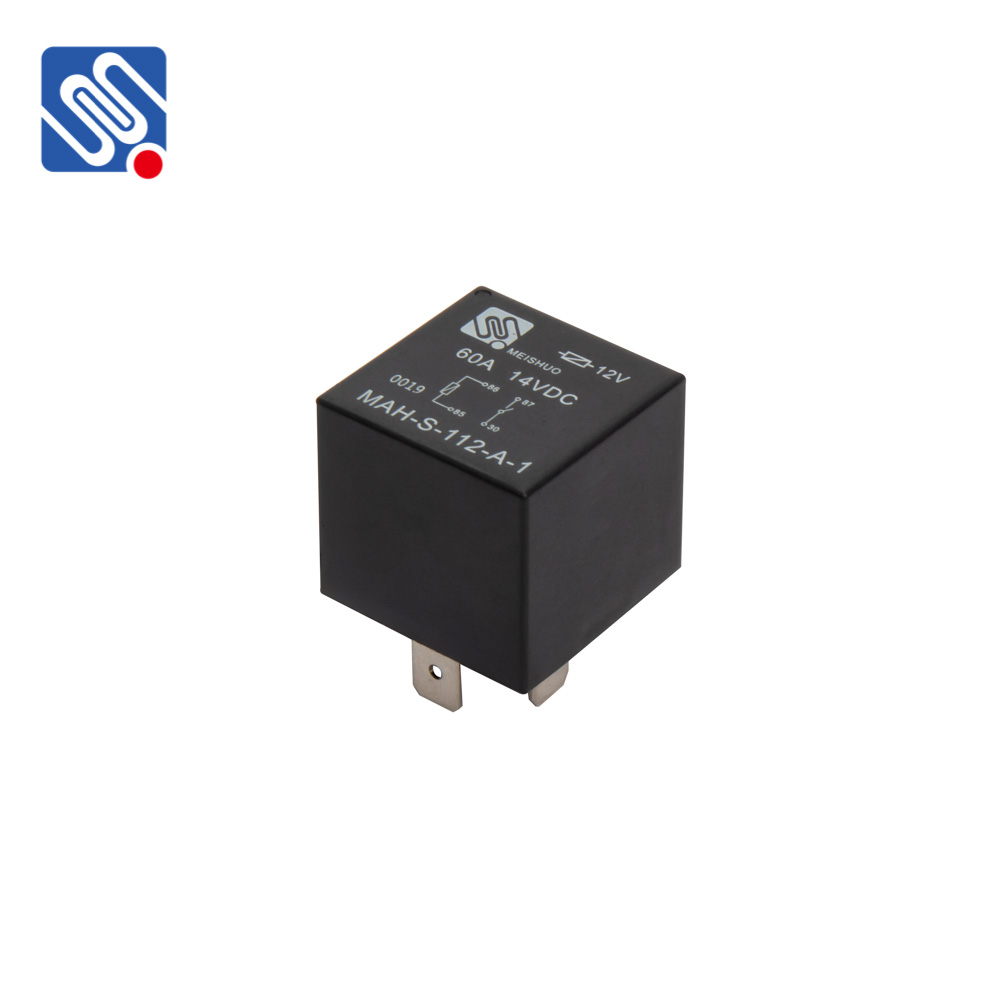
Understanding the 12V 60A Relay At its core, a relay is an electromechanical switch that uses an electromagnet to open or close a circuit. The 12V 60A relay is designed to operate at a nominal voltage of 12 volts, making it suitable for direct current (DC) applications such as in vehicular electrical systems. This relay can handle a current of up to 60 amps, allowing it to control high-power devices efficiently. The construction of a relay typically consists of three main components: a coil, an armature, and electrical contacts. When a voltage is applied to the coil, a magnetic field is generated, which pulls the armature towards it, thus opening or closing the contacts. The relay can offer different types of contacts, including single-pole single-throw (SPST), single-pole double-throw (SPDT), and double-pole double-throw (DPDT) configurations, to accommodate various switching needs.
Leave a Reply