The Electric Single Seat Regulating Valve (ESSRV) is an essential component in various industrial processes, providing precise control over the flow of liquids, gases, and steam. This innovative valve type combines advanced design with electric actuation technology to ensure effective flow regulation in a wide range of applications. With its growing importance in automation and control systems, it is crucial to understand its features, advantages, and applications.
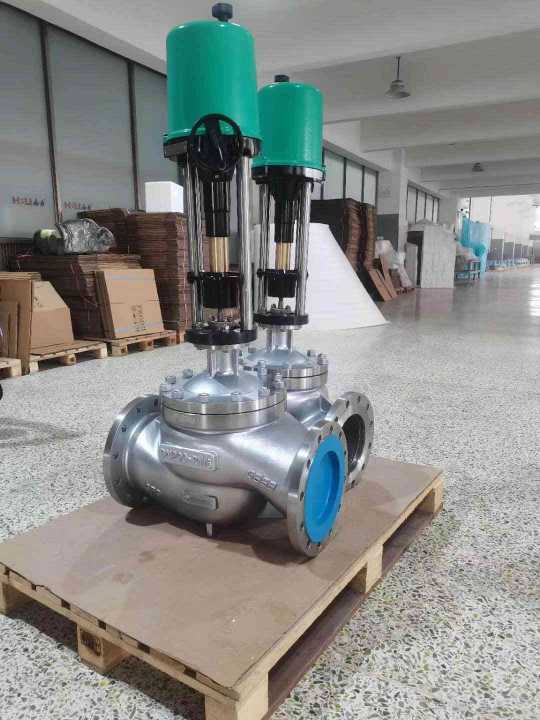
Structure and Operating Principle At its core, the Electric Single Seat Regulating Valve consists of a valve body, valve plug (or stem), a single seat that supports the plug, and an electric actuator. The structure is characterized by a simple, compact design, which aids in ease of installation and maintenance. When the control signal—commonly received in the form of a 4-20mA current or a 0-10V voltage—is transmitted to the electric actuator, the actuator’s motor rotates. This rotation adjusts the position of the valve plug, effectively changing the area through which the fluid flows. As the valve plug moves up or down, the flow rate is modified according to the process requirements. The actuator’s ability to position the valve accurately means that electric single seat regulating valves can regulate flow with high precision, resulting in enhanced process stability.
Leave a Reply