Relay drive is a fundamental technique in electronics and automation, widely used to control high-power devices with low-power control signals. At its core, a relay is an electromechanical switch that opens or closes circuits when energized by an electrical signal. Relay drive, therefore, refers to the method of using a control signal to activate a relay, which in turn controls a separate electrical circuit. This approach is crucial in situations where direct control of a high-power device by a microcontroller or low-voltage circuit is unsafe or impractical.
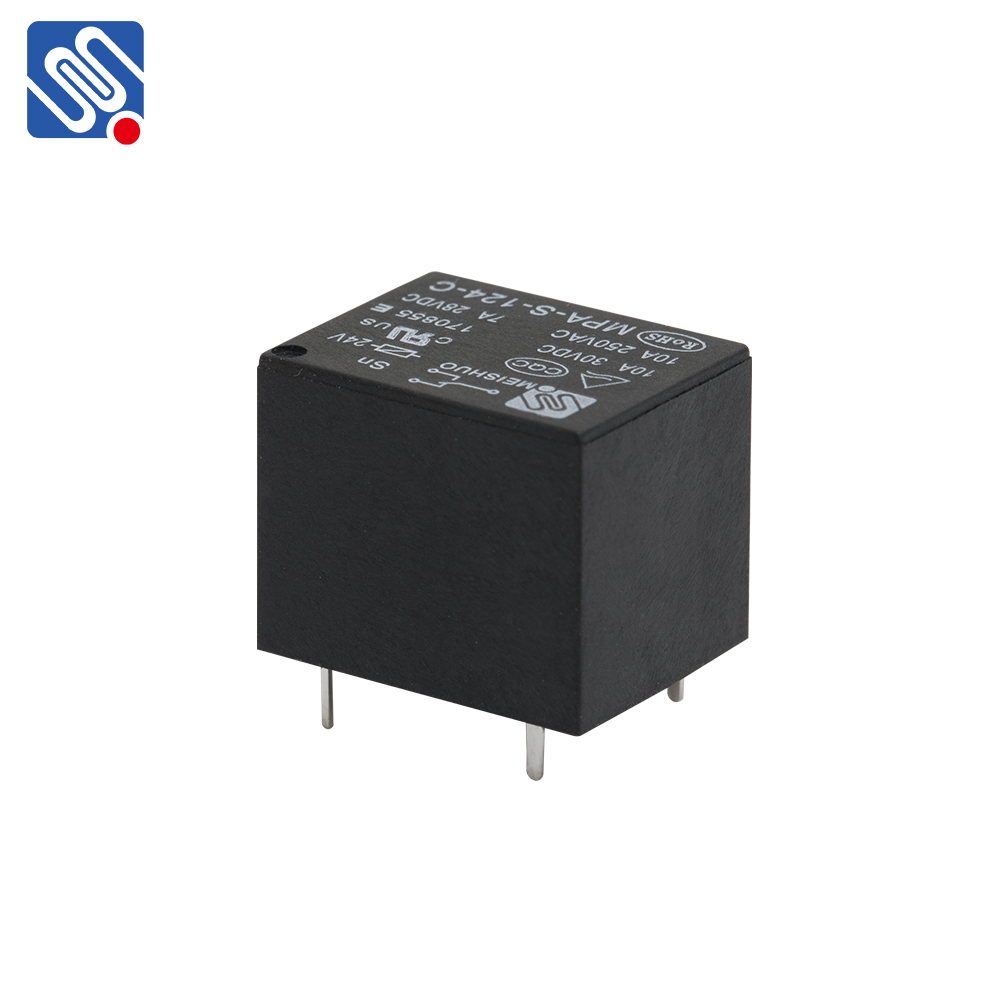
The principle of relay drive is straightforward yet highly effective. A relay consists of a coil, an armature, and a set of contacts. When current flows through the coil, it generates a magnetic field that attracts the armature, causing the contacts to either close or open depending on the relay type. This mechanical movement allows a small control signal to switch a much larger load, providing both isolation and amplification of the control action. In essence, the relay acts as a bridge between low-power control circuits and high-power devices. One of the primary advantages of relay drive is electrical isolation. In many applications, the control system operates at low voltage and current levels, such as 5V logic signals from a microcontroller. Directly connecting such a control signal to a high-voltage device, such as a motor or heater, could damage sensitive components or pose safety risks. By using a relay, the low-power circuit is electrically separated from the high-power circuit, ensuring safety and reliability. This isolation also protects the control system from voltage spikes and current surges that could occur in the load circuit.
Leave a Reply