Relay wiring is a fundamental aspect of electrical and electronic systems that enables users to control high-power devices through low-power signals. As technology progresses, the importance and versatility of relay wiring have become increasingly evident in various applications, from household appliances to industrial automation. This article aims to delve deep into the workings of relay wiring, its components, types, applications, and important considerations for successful implementation.
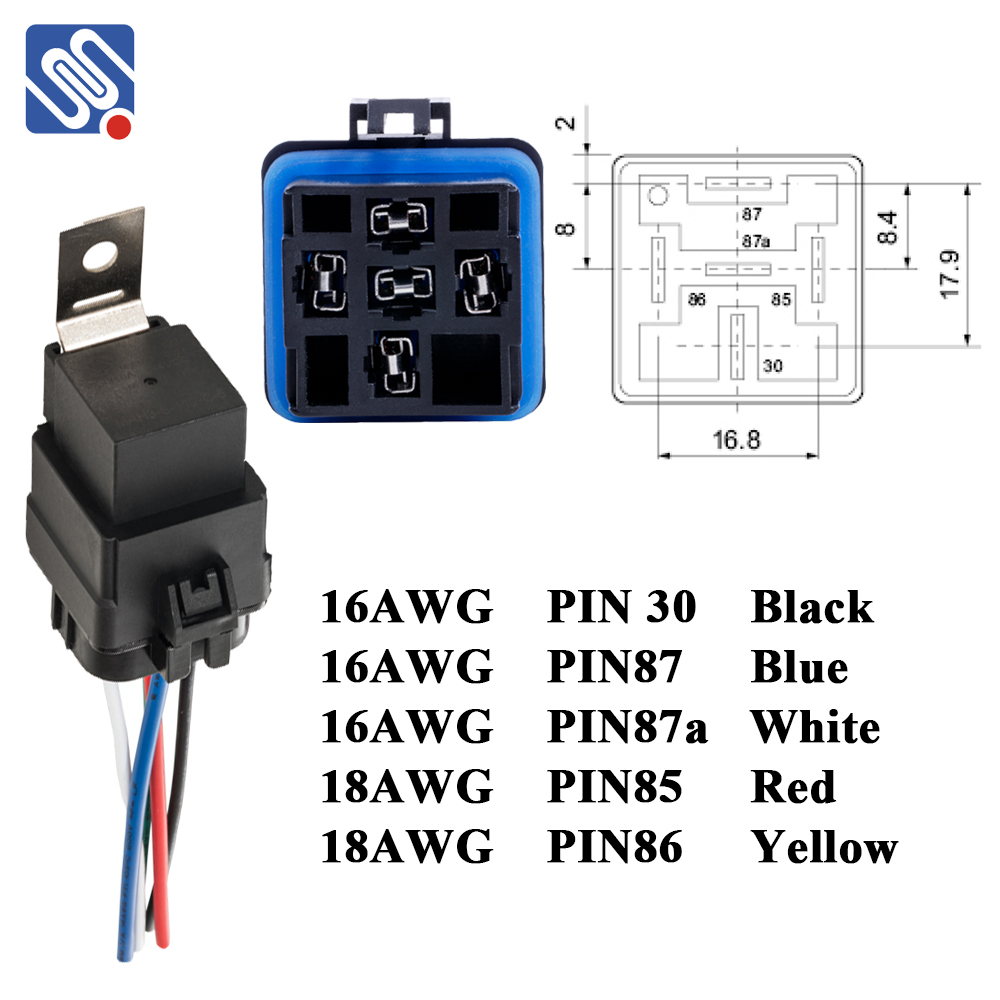
What is a Relay? At its core, a relay is an electromagnetic switch that uses a small input current to control a larger output current. It consists of a coil and one or more sets of contacts, which are responsible for opening or closing the circuit. When an electric current passes through the coil, it generates a magnetic field that either attracts or repels a movable armature, thus closing or opening the contacts connected to the load. Key Components of Relay Wiring Coil: The part responsible for controlling the relay. When energized, it generates the magnetic field required to move the armature.
Leave a Reply