A 220V 30A relay is a versatile electrical component that plays a crucial role in modern automation systems, power control applications, and industrial equipment. It serves as an essential link between a low-power control circuit and a high-power load, enabling the control of large electrical devices with a simple, low-voltage signal. In this article, we will explore the functioning of 220V 30A relays, their applications, and the important considerations when selecting and using these relays.
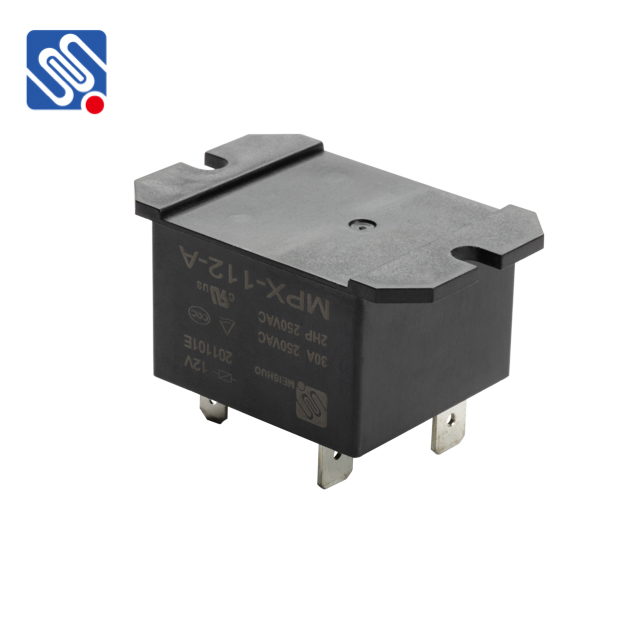
What is a 220V 30A Relay? A relay is an electromechanical switch that allows you to control a circuit’s on/off state by applying a low voltage to the control circuit (coil). In a 220V 30A relay, the control voltage is typically a low DC or AC voltage, while the relay can switch a high-voltage alternating current (AC) circuit, up to 220V, and carry a maximum current of 30 amperes. This makes it ideal for switching power-hungry devices like industrial machinery, household appliances, or even heavy-duty automotive systems. The relay consists of two main components: the coil and the contacts. The coil is the electromagnetic part that, when energized, creates a magnetic field that pulls the contacts together (for a normally open, NO relay), or pushes them apart (for a normally closed, NC relay). This switching action enables the relay to control large electrical devices remotely or automatically without direct human intervention.
Leave a Reply