Relay assembly techniques play a crucial role in various electronic systems, from automotive circuits to industrial automation, offering an essential mechanism for controlling electrical devices. These techniques enable the construction of reliable and efficient relay systems that are widely used in industries such as telecommunications, transportation, and robotics. This article explores the fundamental aspects of relay assembly, the different techniques involved, and their applications in modern electronics.
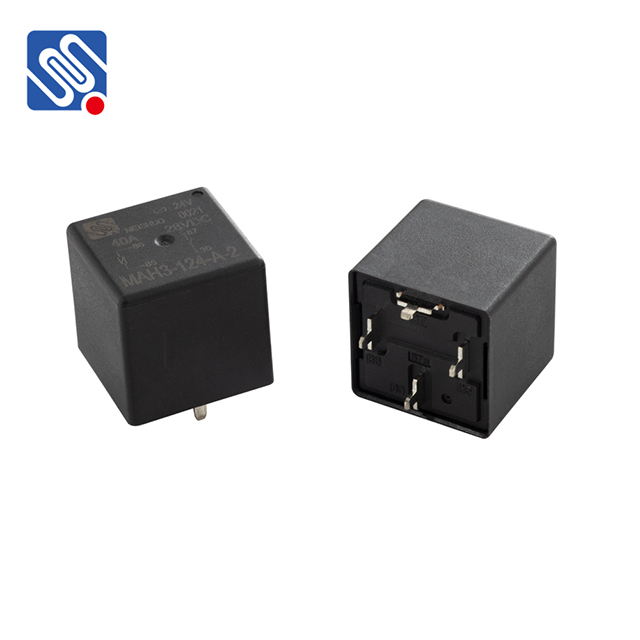
Understanding Relays and Their Importance At its core, a relay is an electrically operated switch that allows one circuit to control another. It consists of an electromagnet, a set of contacts, and a mechanical armature. When an electrical current passes through the coil (the electromagnet), it generates a magnetic field that causes the armature to move, either opening or closing the contacts. This simple mechanism is pivotal in isolating circuits and controlling high-power loads with low-power signals, which makes relays indispensable in electrical and electronic systems. Relay assemblies, therefore, refer to the process of integrating relays into a larger system to achieve specific control functions, such as switching, timing, or sensing. The techniques used in this assembly depend on the application requirements, including the type of relay, the materials used, and the desired functionality.
Leave a Reply