When it comes to managing electrical systems, relays play a pivotal role in ensuring the safe and efficient operation of various devices. One of the most commonly used types of relay is the 12V 30A relay, a crucial component in both automotive and industrial applications. This article dives into the significant features, applications, advantages, and considerations when working with the 12V 30A relay.
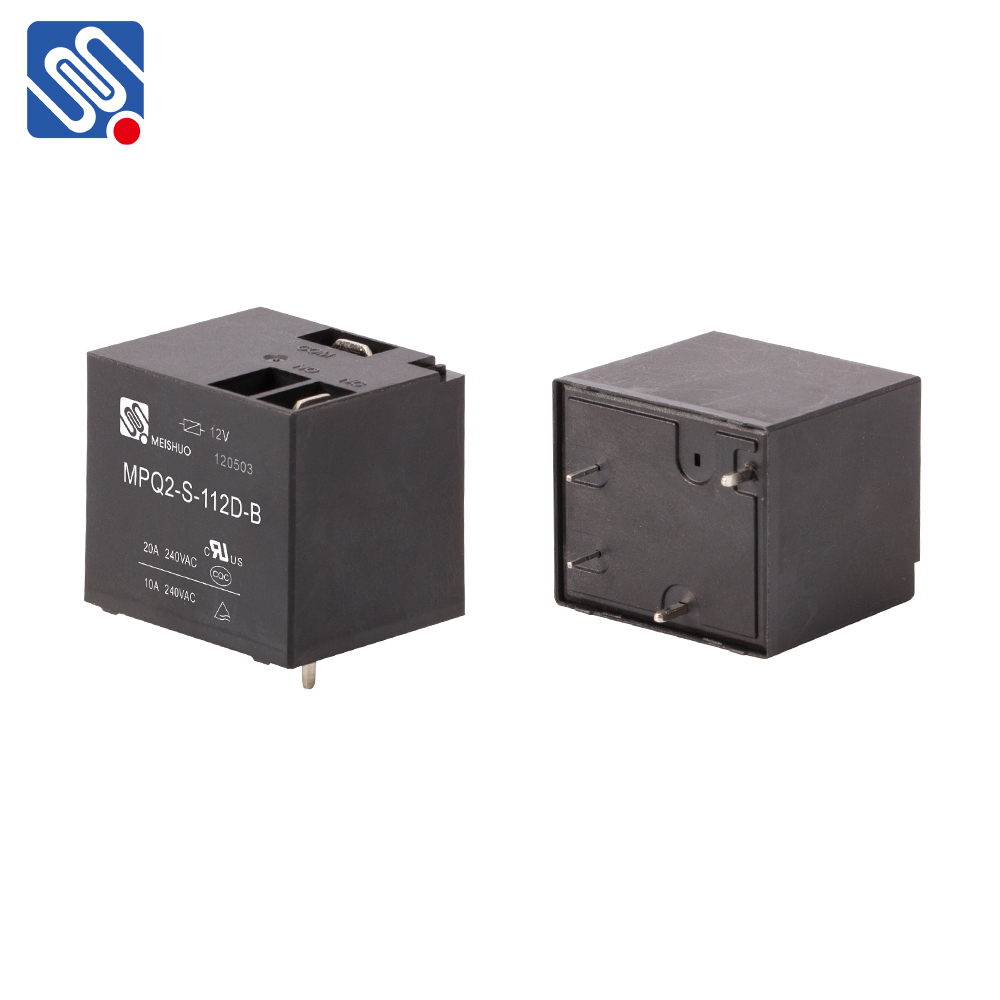
What is a 12V 30A Relay? At its core, a relay is an electromechanical switch that allows a low-power circuit to control a high-power circuit. The 12V 30A relay is specifically designed to handle a voltage of 12 volts and a current up to 30 amperes. This combination allows the relay to control devices that require substantial amounts of power while being activated by a much lower power signal, which makes it ideal for various applications. How Does It Work? The 12V 30A relay operates using an electromagnet to control the opening and closing of contacts within the relay. When the relay is energized by applying 12V to its coil, it creates a magnetic field that attracts a movable armature, resulting in the closure of one or more contacts. Depending on the design, these contacts can be either normally open (NO) or normally closed (NC). When the coil is de-energized, the spring mechanism returns the armature to its original position, opening the contacts and stopping the flow of current in the connected circuit.
Leave a Reply