High flow solenoid valves are essential components in various industrial and commercial applications where the control of fluid flow is critical. These devices operate through electromagnetic principles to enable quick and efficient regulation of liquids and gases. This article delves into the workings, applications, and advantages of high flow solenoid valves, providing a comprehensive understanding of their significance in modern engineering.
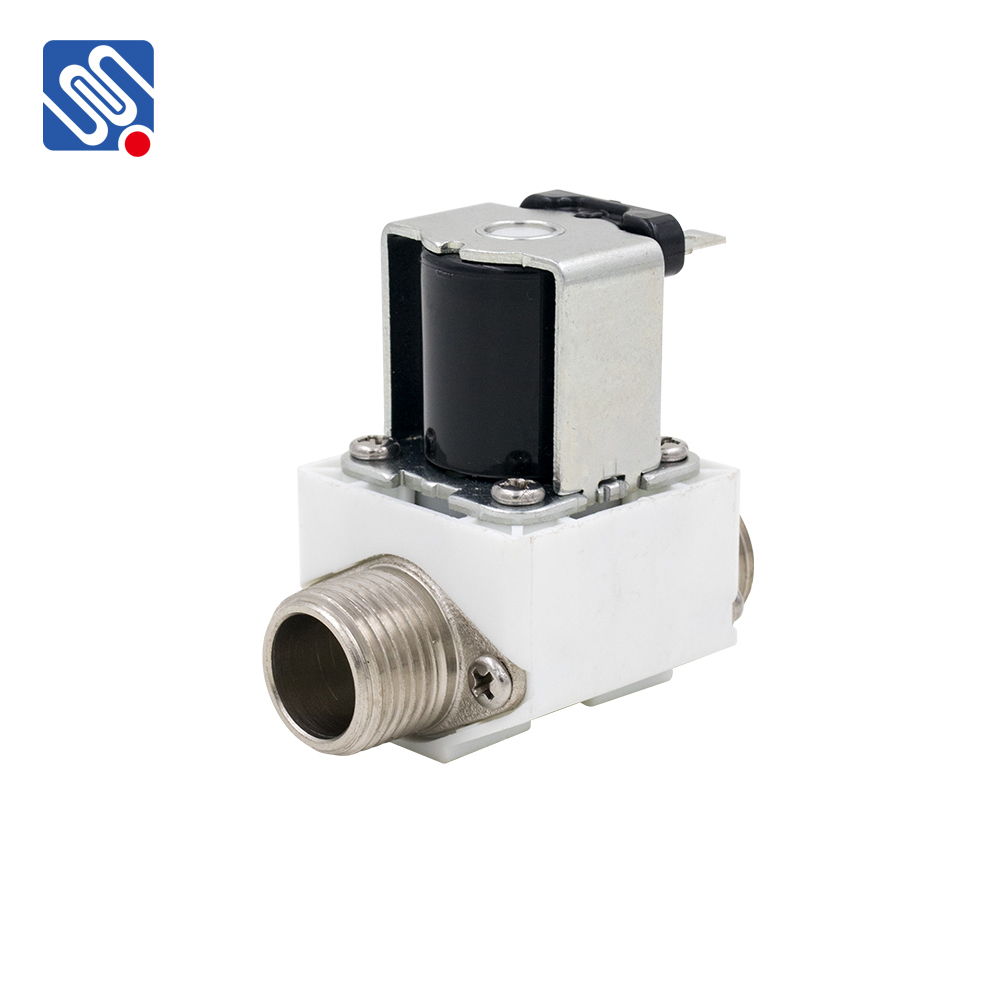
Working Mechanism The fundamental operation of a high flow solenoid valve is based on the principle of electromagnetism. The valve typically consists of several key components: the solenoid coil, the valve body, the valve actuator (or plunger), and in many cases, a spring. When electrical current flows through the solenoid coil, it generates a magnetic field, which activates the valve actuator. This actuator moves the valve’s internal components, such as the plunger, to either open or close the valve, thereby controlling fluid flow. In its resting state, the valve is normally closed (NC) or normally open (NO). In the NC position, the absence of power keeps the valve shut, preventing fluid passage. Conversely, when power is applied, the solenoid coil energizes, causing the plunger to lift or move, allowing fluid to flow through the valve. The rapid response time—often in the milliseconds range—ensures that high flow applications can maintain optimal performance without delays.
Leave a Reply