In industrial settings, safety is a paramount concern, especially when it comes to maintenance and repair work on machinery and electrical systems. One of the most effective methods for ensuring worker safety during these activities is the use of Lockout/Tagout (LOTO) devices. LOTO devices are designed to prevent the accidental release of hazardous energy while maintenance work is being performed. By isolating the power sources and clearly indicating the status of a piece of equipment, these devices play a crucial role in protecting workers from potential injuries. This article will delve into the importance, functionality, and application of LOTO devices in industrial safety.
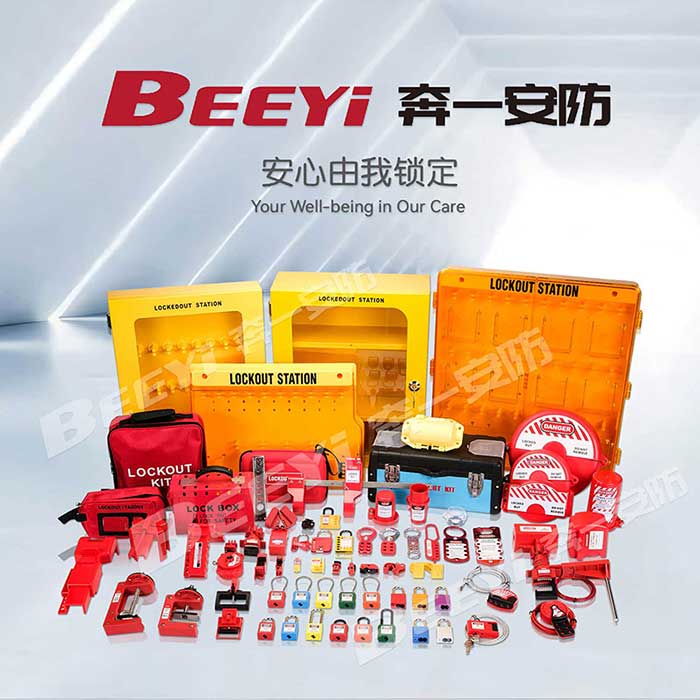
What is a LOTO Device? LOTO, which stands for “Lockout/Tagout,” refers to the process of locking and tagging machinery or equipment to prevent its operation during maintenance or repair. LOTO devices are tools used in this process, which can include locks, tags, and other equipment designed to isolate energy sources and ensure that workers are safe from accidental harm. The devices help to prevent accidental machine startups, which could cause severe injuries or even fatalities. There are two primary components of a LOTO system: Lockout Devices: These devices physically isolate the energy source. Common lockout devices include padlocks, valve locks, and circuit breaker locks. The lock is used to secure the device or control that manages the flow of hazardous energy. These devices prevent others from operating the equipment while maintenance is ongoing.
Leave a Reply