Pneumatic actuators are essential components in numerous industrial and automation applications. These devices utilize compressed air to produce mechanical motion, enabling the control of various systems such as valves, conveyors, and robotic arms. In recent years, as industries continue to evolve, the demand for efficient, reliable, and versatile actuating mechanisms has surged, leading to an increased interest in pneumatic actuators. This article delves into the fundamentals of pneumatic actuators, their advantages, and the application areas where they shine.
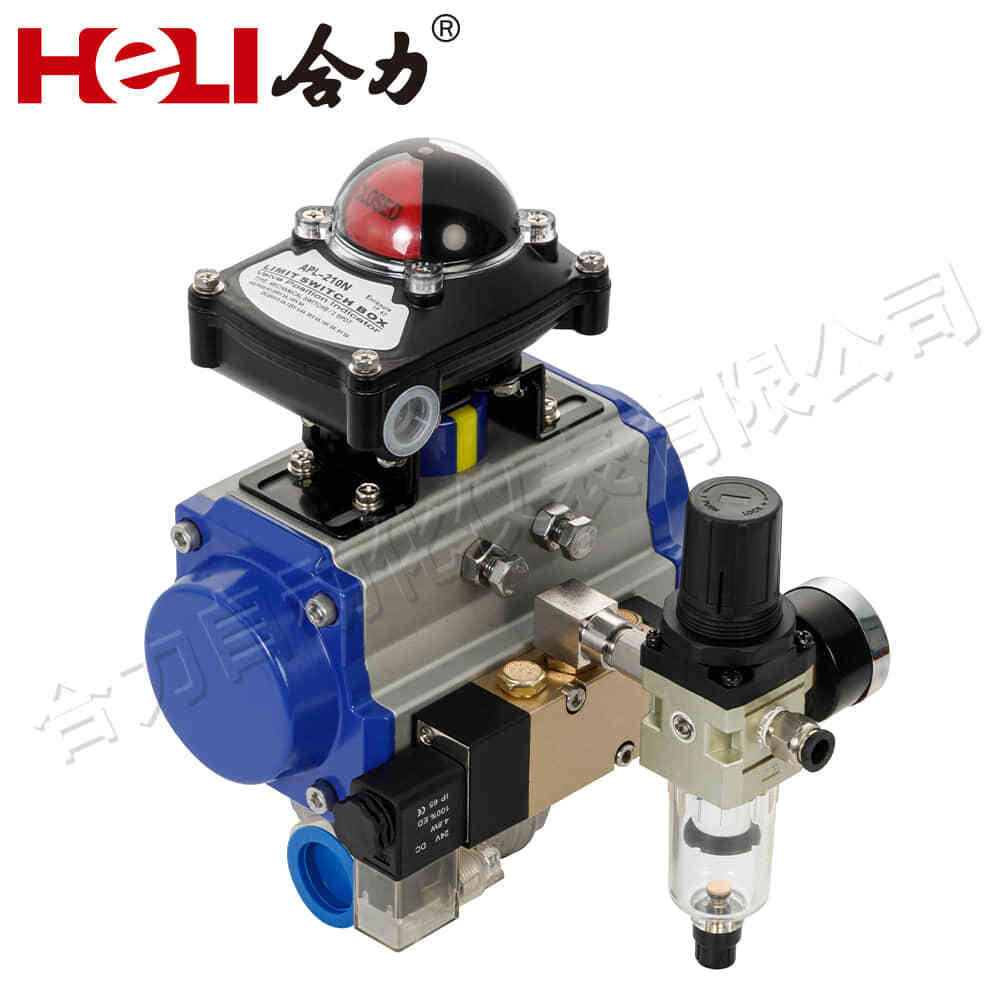
Working Principle
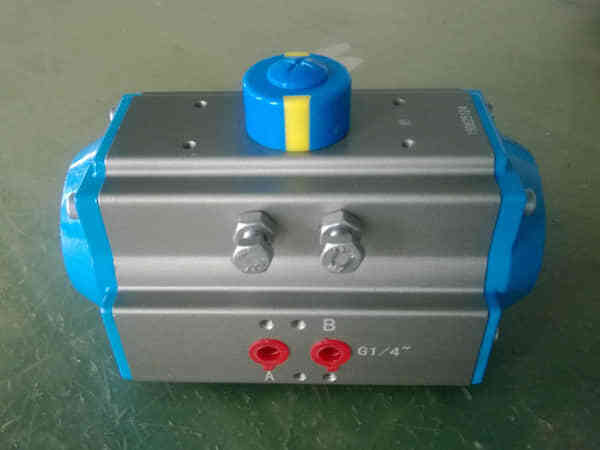
The operation of a pneumatic actuator is fundamentally simple yet effective. It typically consists of a cylinder, a piston, and various components that aid in motion control. When compressed air is introduced into the cylinder, it exerts pressure on the piston. This pressure creates a force that pushes the piston, resulting in either linear or rotary motion, depending on the actuator’s design. In linear pneumatic actuators, the movement is straightforward. The motion occurs in a straight line, suitable for applications requiring the opening or closing of valves, pushing, or pulling tasks. Conversely, rotary pneumatic actuators utilize a similar principle but convert linear motion into rotational movement. This feature is particularly beneficial for applications involving butterfly and ball valves.
Leave a Reply