A 12V 40A Relay is a widely used electrical switching device designed to control high-current circuits with a low-voltage signal. It plays a crucial role in modern electrical and automotive systems by allowing safe and efficient control of powerful components without requiring direct manual switching of high currents.
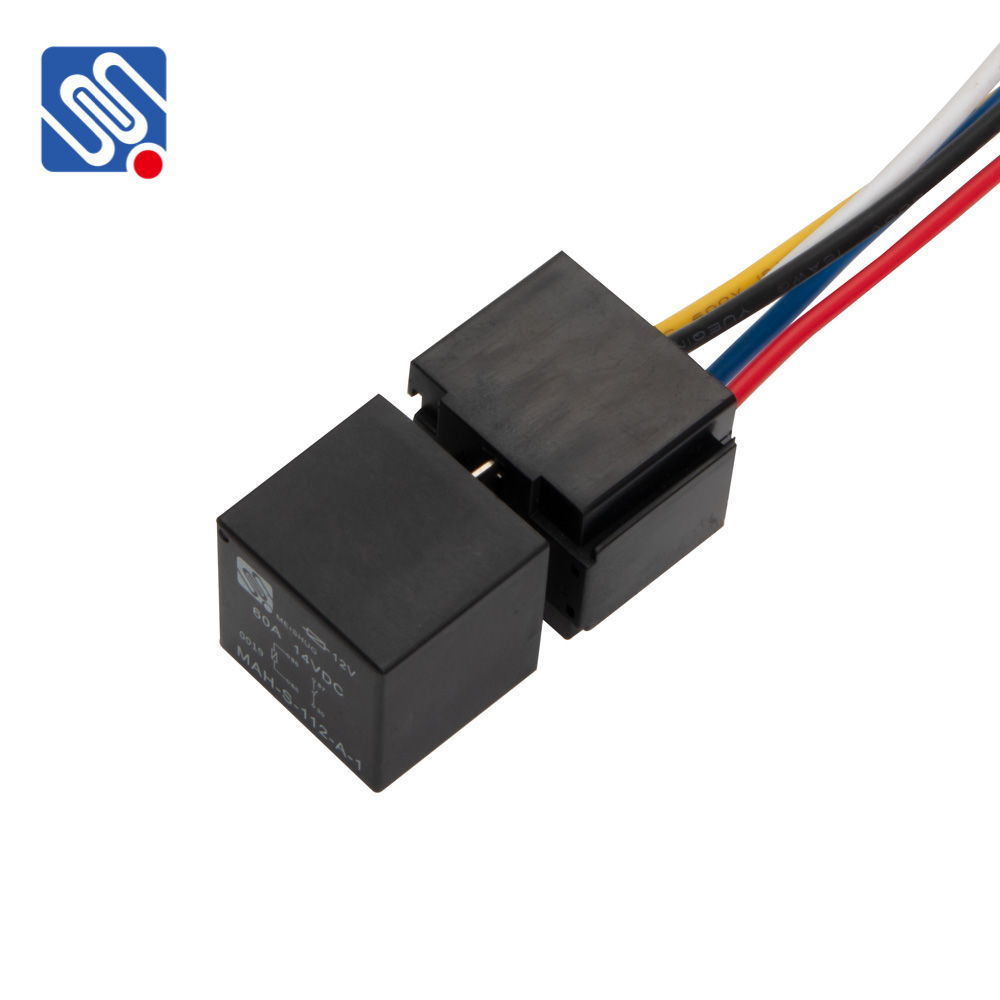
At its core, a relay operates on the principle of electromagnetism. Inside the relay, there is a coil, an armature, and a set of electrical contacts. When a 12-volt direct current is applied to the coil, it generates a magnetic field that pulls the armature, causing the contacts to either close or open depending on the relay design. In the case of a 12V 40A relay, the contacts are designed to handle currents up to 40 amperes, making it suitable for heavy-duty applications. One of the key advantages of using a 12V 40A relay is electrical isolation. The control circuit (low current) is completely separated from the load circuit (high current). This ensures that sensitive switches, microcontrollers, or control modules are protected from high current loads. As a result, relays are frequently used in systems where safety and reliability are critical.
Leave a Reply