In industries that use pneumatic systems—such as manufacturing, construction, and maintenance—ensuring worker safety is of paramount importance. Pneumatic systems, which rely on pressurized air to operate machinery and tools, pose a significant risk if not properly controlled during maintenance or repair. One of the most critical components in maintaining safety in these environments is the use of pneumatic lockouts. These devices are designed to prevent the accidental release of compressed air, thus protecting workers from the dangers of unexpected machine operation.
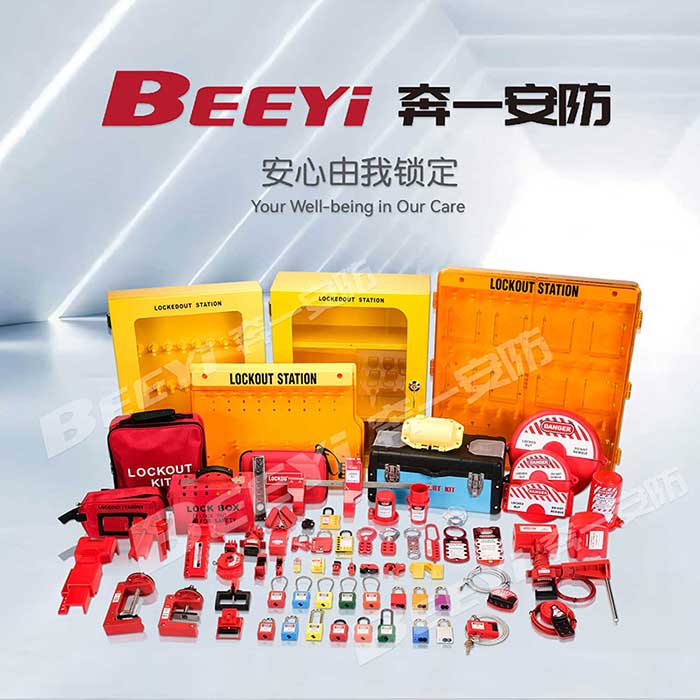
What are Pneumatic Lockouts? A pneumatic lockout is a mechanical device used to isolate or lock a pneumatic energy source, such as a compressed air supply valve or pressure regulator. Its main function is to ensure that the flow of air cannot be reactivated until maintenance personnel have completed their work and removed the lockout. Typically, pneumatic lockouts are used as part of a broader Lockout-Tagout (LOTO) program, which is a crucial safety standard designed to control hazardous energy during maintenance activities. By locking off the pneumatic energy source, workers can be assured that machinery or tools will not inadvertently start up while they are servicing the equipment.
Leave a Reply