A pneumatic actuator is a mechanical device that uses compressed air to generate motion and force. Widely used in various industries, pneumatic actuators play a pivotal role in automation systems, particularly where quick, reliable, and powerful movements are necessary. From controlling valves to operating robotic arms, pneumatic actuators are integral to manufacturing, robotics, and other automated processes. In this article, we will explore the working principle, key components, types, advantages, and diverse applications of pneumatic actuators.
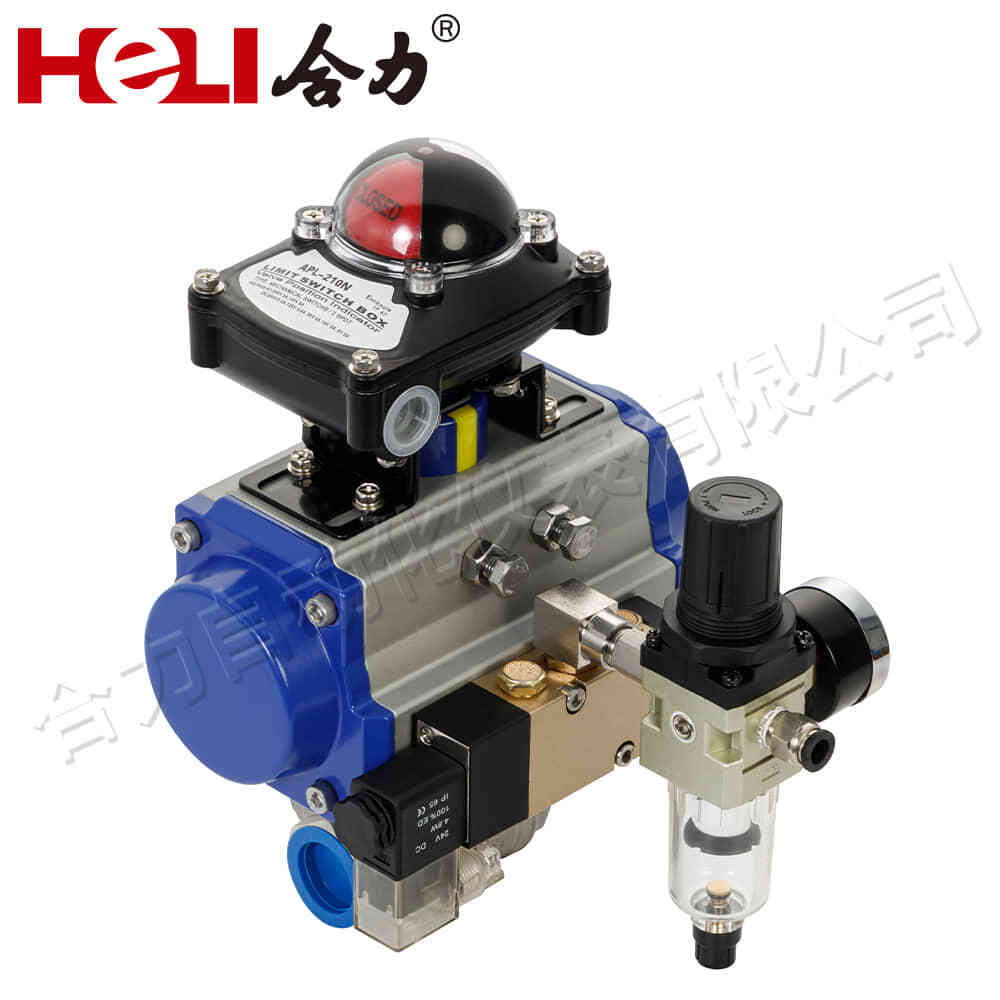
Working Principle of Pneumatic Actuators
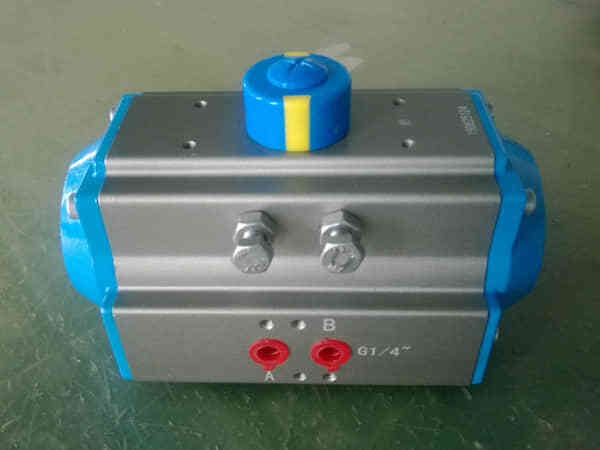
At its core, a pneumatic actuator functions by utilizing compressed air as a source of power. The compressed air is fed into the actuator, where it drives a piston or diaphragm, which in turn generates mechanical movement. This movement can be linear (pushing or pulling) or rotary (rotating a shaft). The pressure of the air determines the force and speed of the movement, allowing pneumatic actuators to operate at varying levels of efficiency and precision. There are two main types of pneumatic actuators: single-acting and double-acting. Single-acting actuators use air pressure to move the piston in one direction. In this type of actuator, a spring is used to return the piston to its starting position when the air supply is cut off.
Leave a Reply