Relays are integral components in various electrical systems, ranging from industrial machinery to household appliances. They act as electrically operated switches, enabling low-power circuits to control high-power devices. For any relay to function optimally, understanding its parameters is crucial. This article delves into the key relay parameters and how they impact the relay’s performance in practical applications.
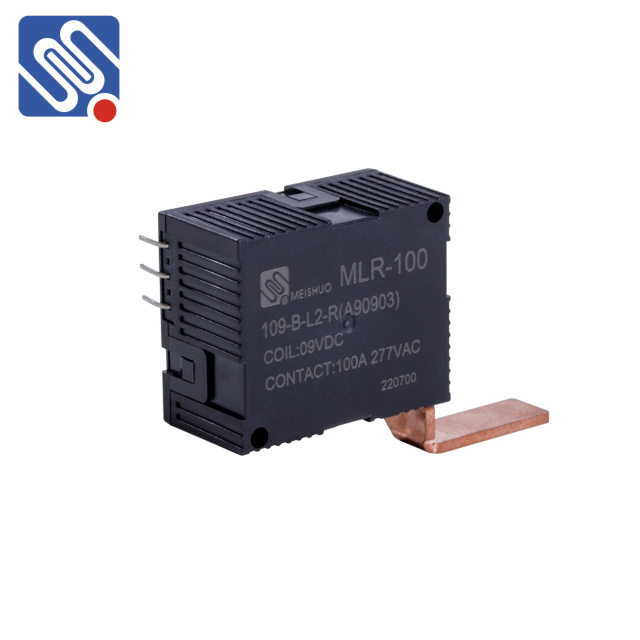
1. Rated Voltage The rated voltage refers to the voltage at which the relay is designed to operate efficiently. It is typically specified for both the coil and the contacts. The coil voltage is the voltage required to activate the relay’s internal switch, while the contact voltage indicates the maximum voltage the relay can handle across its switching contacts. Choosing the correct rated voltage ensures that the relay can perform its switching function reliably without overloading. 2. Contact Type Relays come with different types of contacts, and understanding these is essential for selecting the right relay for a specific application. The most common contact types are:
Leave a Reply