Relay assembly techniques play a pivotal role in the manufacturing and development of electrical and electronic systems. As the demand for automation and control systems increases in various industries—from automotive to industrial machinery—the importance of efficient, reliable, and scalable relay assembly processes cannot be understated. This article delves into the principles of relay assembly techniques, discussing their components, assembly methods, quality control measures, and future trends that shape this essential field.
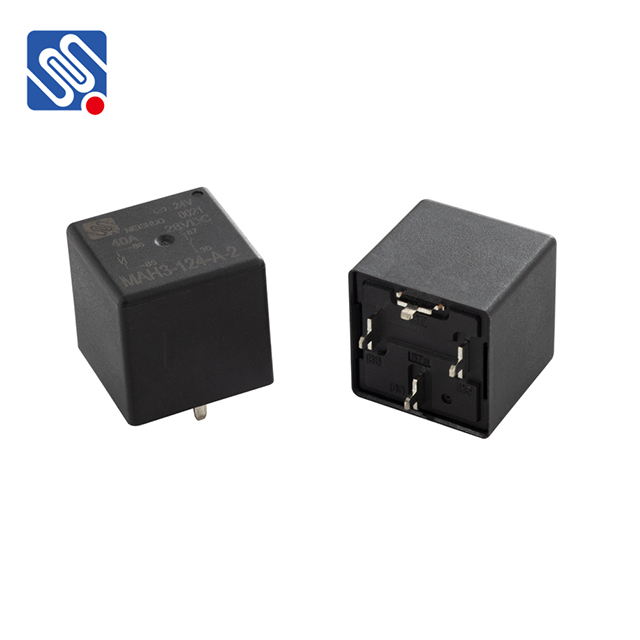
Understanding Relays A relay is an electromagnetic switch that uses an electromagnet to mechanically operate a switching mechanism. It typically consists of several essential components: a coil, armature, springs, and contact points. When electrical current flows through the coil, it creates a magnetic field that attracts the armature, thereby opening or closing the circuit through the contacts. Relays are utilized in many applications for their reliability, ability to handle high currents, and capacity to control multiple circuits with a single input. Assembly Techniques The assembly of relays involves various techniques tailored to efficiency and precision. Two primary methods are prevalent: manual assembly and automated assembly.
Leave a Reply