In the industrial world, safety is paramount, and one of the key safety procedures involves lockout/tagout (LOTO). This safety practice is essential when servicing or maintaining machinery and electrical systems, preventing accidental startups that could result in injuries or fatalities. Among the various tools used in lockout/tagout procedures, lockout bags play a crucial role in organizing and securely storing lockout devices. China Lockout Bag OEM manufacturers have become essential partners in the global safety industry, providing high-quality, customizable bags designed for various industrial needs. This article explores the role of China Lockout Bag OEM manufacturers, their product offerings, and why they are integral to maintaining workplace safety.
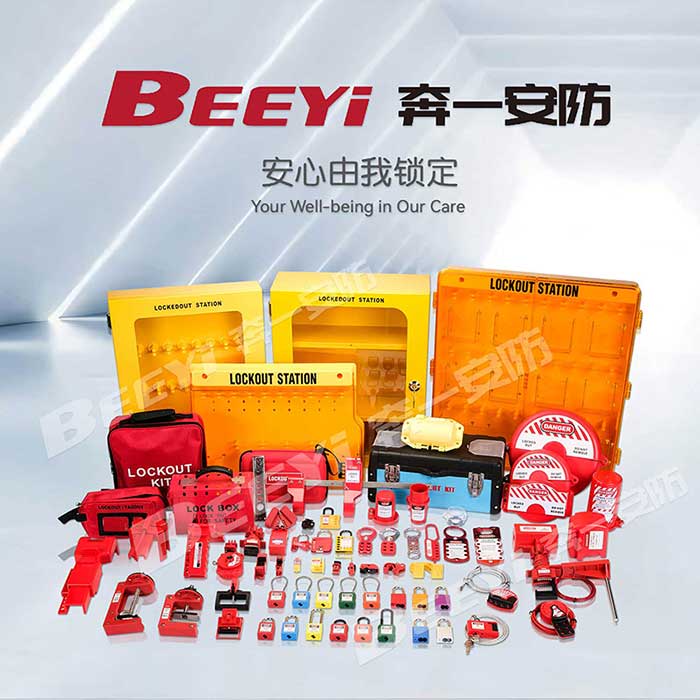
The Role of Lockout Bags in Industrial Safety Lockout bags are used to store lockout devices, padlocks, and tags to ensure that they are organized, accessible, and ready for use during maintenance and repair activities. Lockout/tagout procedures are designed to isolate energy sources (electrical, mechanical, hydraulic, etc.) during maintenance to prevent accidental releases of energy. A lockout bag helps workers keep all necessary tools in one place, reducing the risk of accidents and ensuring that the procedures are followed correctly. These bags often come with multiple compartments, allowing workers to keep their lockout devices, tags, and keys organized. Some designs also feature compartments specifically designed for electrical lockouts, valve lockouts, and other specialized safety devices. By providing easy access to these essential items, lockout bags help maintain efficiency and prevent delays during critical safety procedures.
Leave a Reply