Plastic solenoid valves are essential components in many industries, providing a reliable solution for controlling fluid flow with high precision and efficiency. These valves utilize electromagnetic forces to control the opening and closing of valves, offering automated regulation of gases and liquids in various applications. With the increasing demand for efficient, durable, and cost-effective solutions, plastic solenoid valves have emerged as a preferred choice for industries ranging from water treatment to food and beverage production. This article explores the key features, benefits, and applications of plastic solenoid valves, highlighting their growing importance in modern technology.
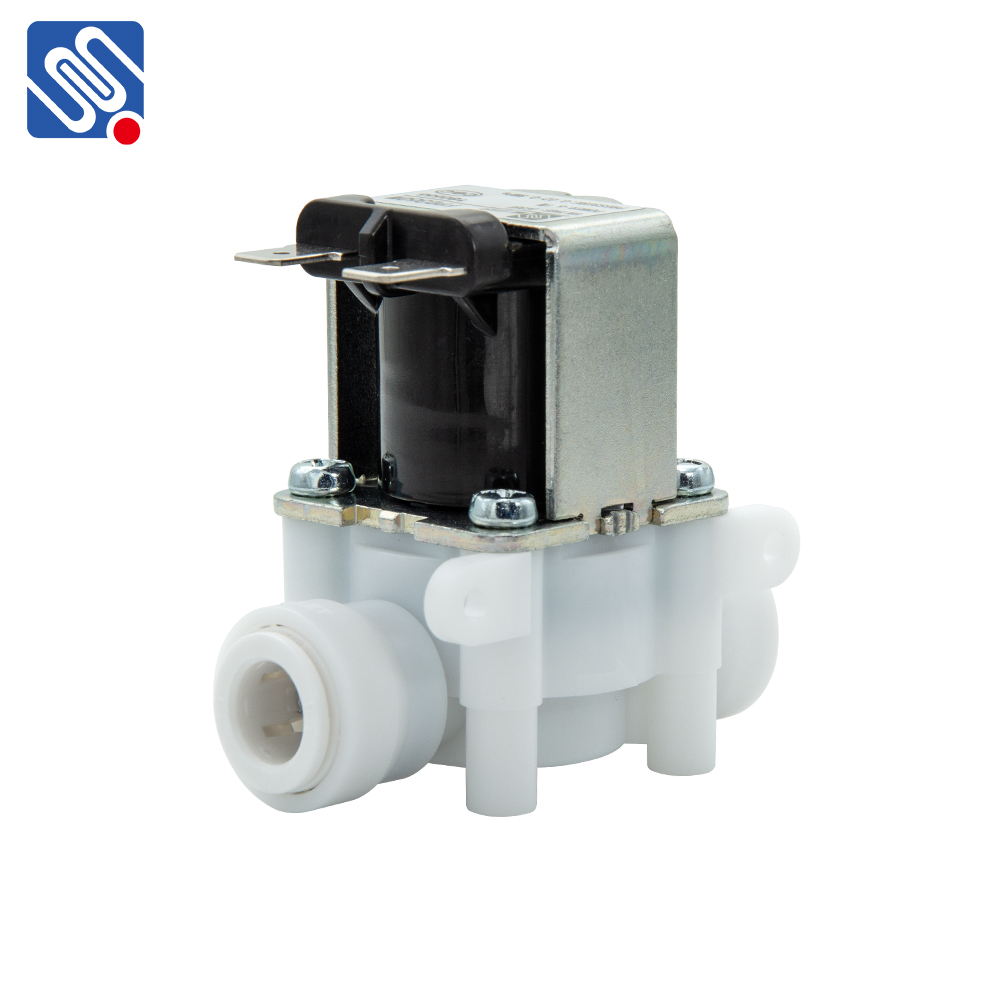
What is a Plastic Solenoid Valve? A plastic solenoid valve is a type of valve that uses an electric current to generate a magnetic field, which moves a plunger or valve piston to control the flow of fluid or gas. Unlike traditional valves made from metal, plastic solenoid valves are constructed from corrosion-resistant plastic materials such as polypropylene (PP), polyvinyl chloride (PVC), or polytetrafluoroethylene (PTFE). These materials offer several advantages, including chemical resistance, lightweight properties, and cost-effectiveness, making them ideal for use in various sectors where metals may not be suitable.
Leave a Reply