Programmable Logic Controllers (PLCs) have become the cornerstone of modern industrial automation, offering flexibility, precision, and reliability in controlling various machinery and processes. One of the key components in PLC systems is the PLC control relay, which plays a vital role in controlling electrical circuits, machines, and devices in an automated environment. This article delves into the basics of PLC control relays, their working principles, and their applications in different industries.
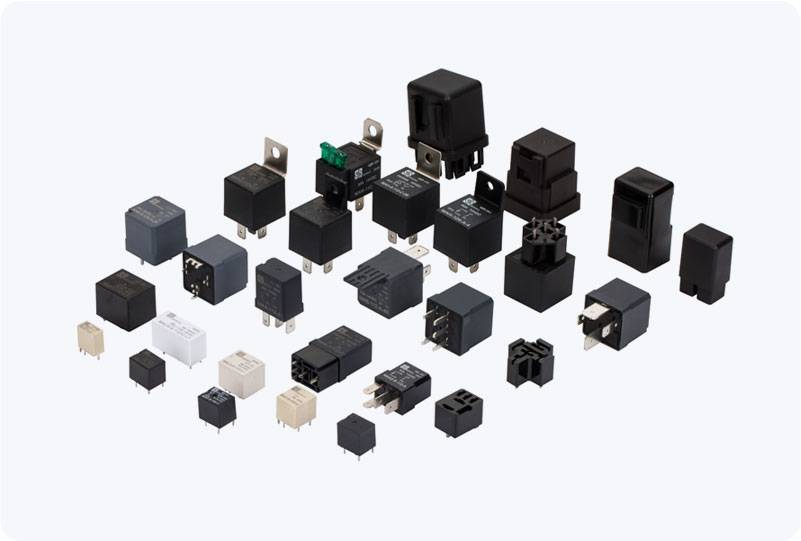
What is a PLC Control Relay? A PLC control relay is an electromechanical device used to switch electrical circuits on or off under the control of a PLC system. It is an essential component that helps bridge the PLC’s low-voltage control output with the high-power demands of industrial machinery. The relay typically consists of a coil, contacts, and a housing that protects the internal components. When the PLC sends a signal to energize the relay’s coil, the relay’s contacts open or close, enabling or disabling the connected devices such as motors, lights, or valves. Working Principle of a PLC Control Relay
Leave a Reply