In today’s industrial workplaces, safety is the utmost priority, especially when it comes to machinery and equipment maintenance. One of the most essential safety procedures used to protect workers is the Lockout/Tagout (LOTO) system, which incorporates the use of the LOTO safety lock. This system plays a critical role in ensuring that hazardous energy sources are properly controlled during maintenance, preventing accidents, injuries, or fatalities. In this article, we will delve into the significance of LOTO safety locks, how they function, and why they are an indispensable part of modern workplace safety.
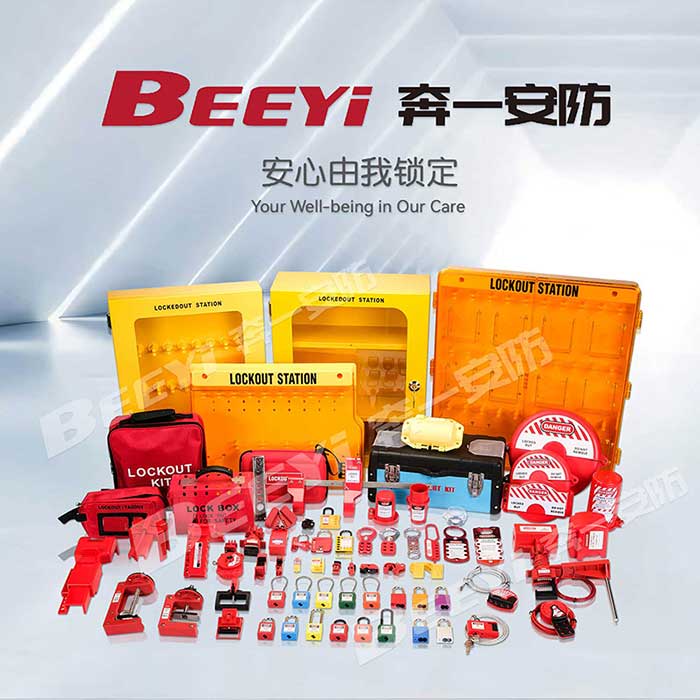
What is LOTO Safety Lock? LOTO stands for Lockout/Tagout, which refers to a set of safety protocols aimed at preventing accidental machine startups or the release of hazardous energy while servicing or maintaining equipment. A LOTO safety lock is a locking mechanism designed to physically secure energy-isolating devices (such as circuit breakers, valves, or switches) to prevent workers from unintentionally activating machinery or releasing dangerous energy during maintenance procedures.
These safety locks are usually accompanied by warning tags, which notify workers that a machine is under maintenance and should not be operated. The lockout lock itself ensures that only authorized personnel can unlock and start the equipment after it is safe to do so.
Leave a Reply