Plastic solenoid valves have become increasingly popular in industries that require reliable fluid control while minimizing corrosion and weight. Unlike traditional metal solenoid valves, these valves are primarily made from durable plastic materials such as polypropylene, polycarbonate, or nylon. Their unique composition gives them a distinct set of advantages that make them suitable for a wide range of applications, from water treatment systems to chemical processing and medical devices.
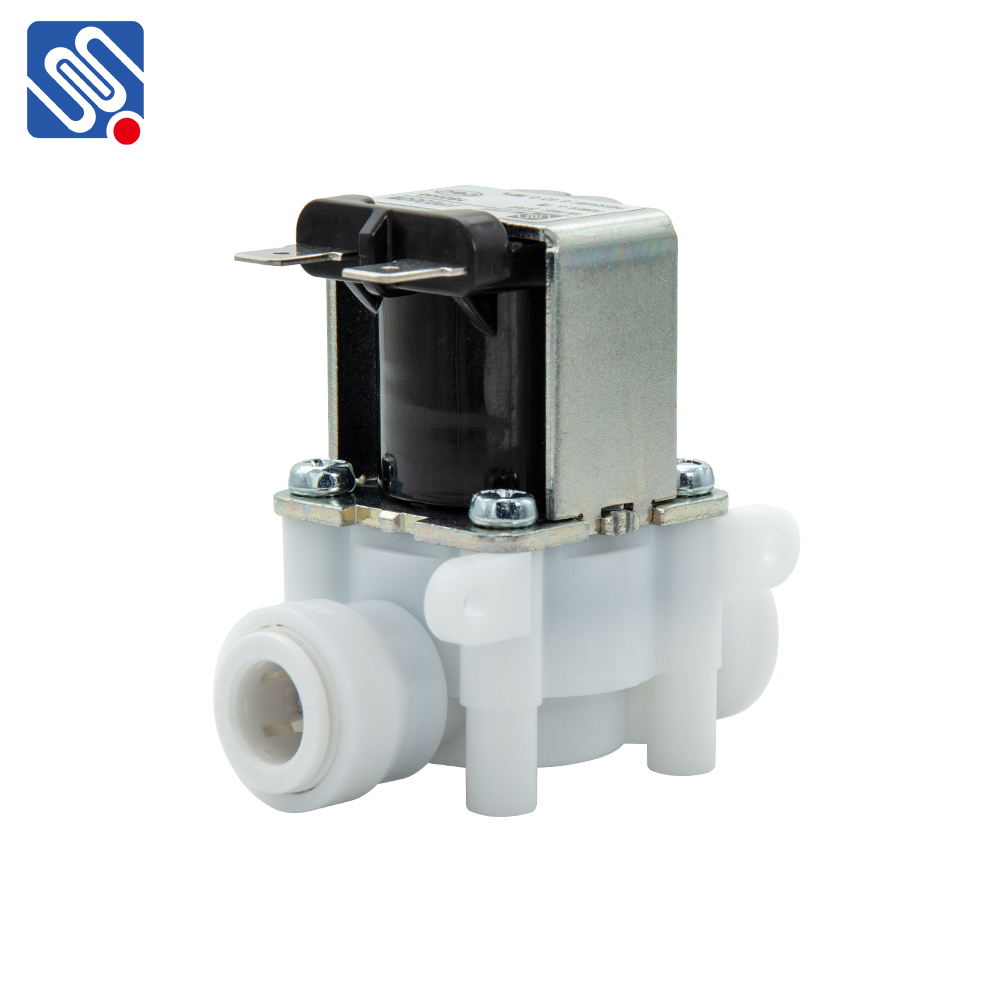
At the core, a plastic solenoid valve operates on a simple yet effective principle. An electric current passes through the coil of the solenoid, generating a magnetic field. This magnetic force moves the plunger inside the valve, allowing it to open or close. The rapid movement ensures precise control over the flow of liquids or gases, which is crucial for automated systems requiring consistent and reliable performance. One of the most significant benefits of plastic solenoid valves is their corrosion resistance. Unlike metal valves that can rust or degrade over time when exposed to harsh chemicals or water, plastic valves are naturally resistant to a variety of corrosive substances. This feature makes them ideal for handling water, acids, alkaline solutions, and even some aggressive chemical fluids. For industries where contamination and corrosion could affect product quality or system longevity, plastic solenoid valves provide a durable and cost-effective solution.
Leave a Reply