Relays are essential components in electrical systems, allowing for the control of high-voltage circuits with low-voltage signals. One of the most critical specifications when selecting a relay is its voltage rating, which defines the maximum voltages the relay’s coil and contacts can safely handle. Understanding the relay voltage rating is key to ensuring both safety and efficiency in its application. This article explores the significance of relay voltage ratings, the different types of voltage ratings, and important factors to consider when choosing a relay for various applications.
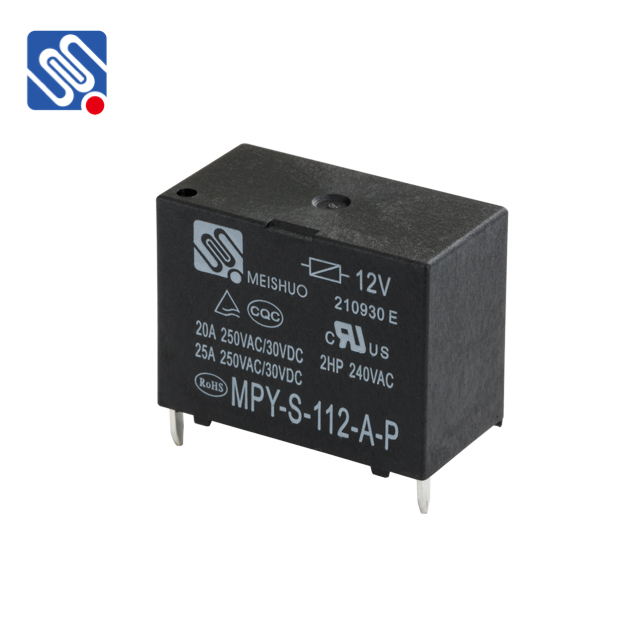
What is Relay Voltage Rating? A relay voltage rating refers to the maximum voltage that can be applied to either the coil or the contacts of a relay. These ratings are generally broken down into two categories: Coil Voltage Rating: This is the voltage required to energize the relay’s coil, which generates the magnetic field that activates the relay switch. This rating is usually given in either AC or DC values, depending on the relay’s design. Contact Voltage Rating: This indicates the maximum voltage that the relay’s contacts can switch on a connected load. It’s an essential specification for ensuring that the relay can handle the voltages in the application without compromising safety or performance.
Leave a Reply