In the realm of industrial machinery and electrical equipment, the reliability and longevity of electric motors are paramount. Among the various components that ensure this reliability, the Motor Overload Relay plays a crucial role. This device is specifically designed to protect electric motors from overload conditions, which can lead to severe damage and operational inefficiencies. In this article, we will delve into the functions, types, applications, and installation considerations of the Motor Overload Relay.
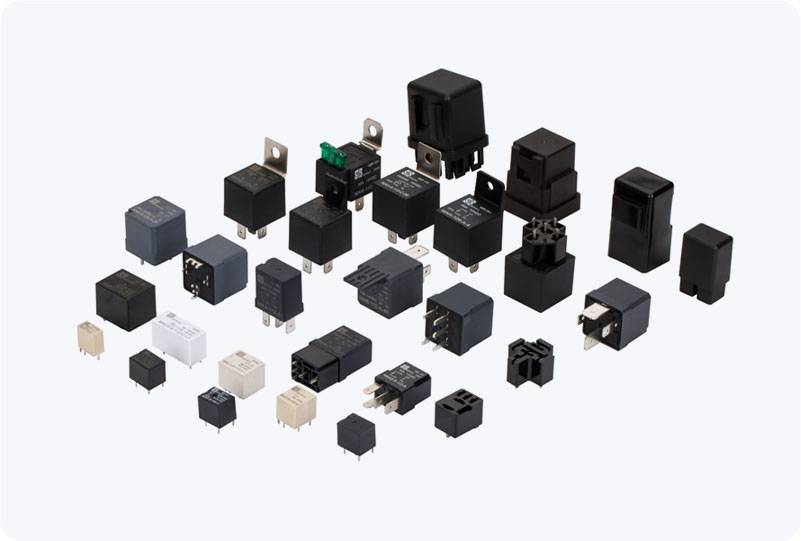
Importance of Motor Protection Electric motors are the heart of numerous machines and mechanisms, ranging from HVAC systems to conveyor belts and pumps. However, when these motors operate beyond their designed current ratings, they risk overheating, which can potentially lead to catastrophic failures. The Motor Overload Relay is a safety device that automatically disconnects the motor from the power supply when it detects excessive current draw, preventing overheating and subsequent motor damage. How Motor Overload Relays Work Motor Overload Relays function through current monitoring. They are typically connected in series with the motor’s power supply circuit. When the motor operates normally, the current remains within acceptable limits. However, if the motor becomes overloaded due to mechanical blockage, excessive load, or phase failure, the relay senses that the current exceeds a preset threshold. Upon detecting this overload condition, the relay activates and opens the circuit, effectively stopping the motor.
Leave a Reply