Relay systems have been a crucial component in various technological and industrial fields for decades. The term “relay” may be used in different contexts, ranging from electrical engineering to sports, and even in software development. Despite its diverse applications, the core idea behind a relay remains the same: to facilitate the transfer or switching of information or power from one point to another. This article will delve into the significance of relays in both traditional and modern systems, focusing primarily on their applications in electrical engineering and software development.
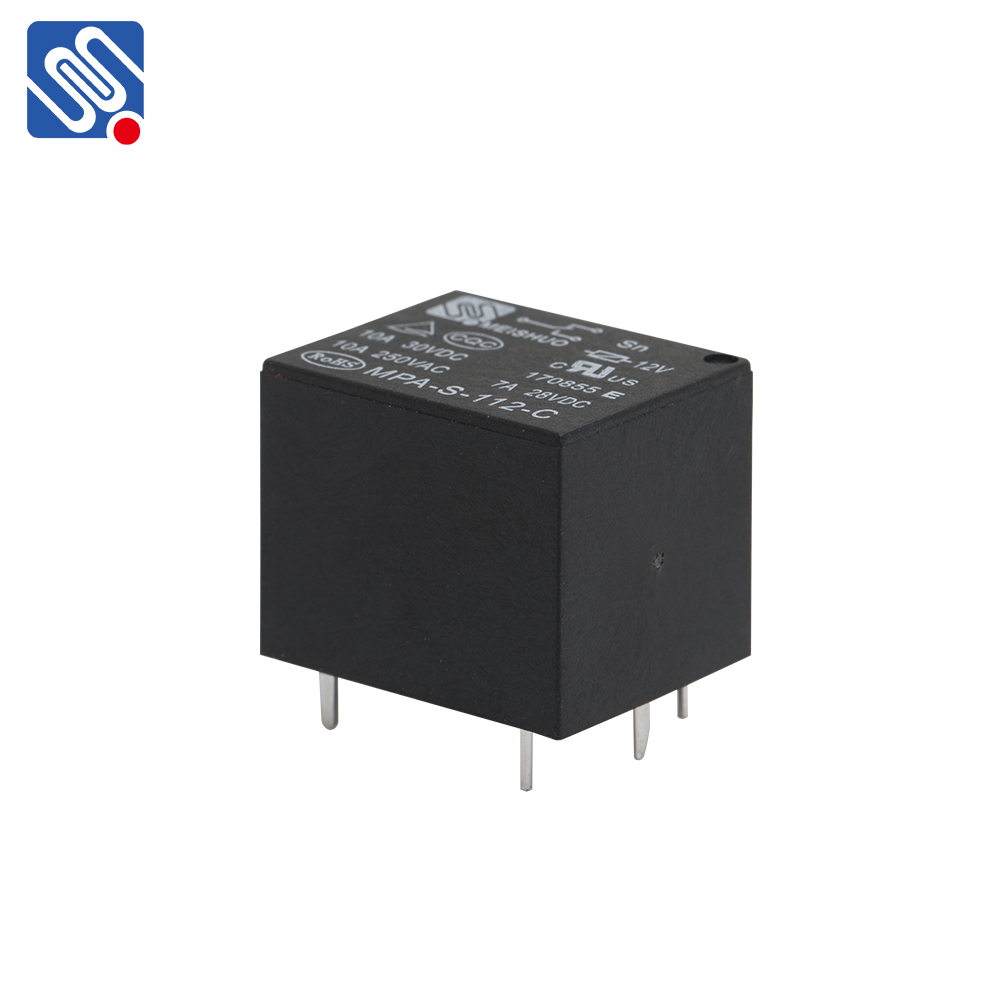
The Role of Relays in Electrical Engineering In the field of electrical engineering, a relay is an electromechanical device that uses an electromagnetic coil to control a switch. This switch is capable of connecting or disconnecting electrical circuits based on signals, typically from low-power control systems. Relays have been indispensable in circuits where direct manual switching would be impractical, dangerous, or inefficient. Relays can be categorized into several types, including electromechanical relays, solid-state relays, and reed relays, each serving a unique purpose depending on the specific application. The electromechanical relay, for instance, is commonly used in automotive systems, industrial machines, and communication networks to ensure reliable switching of electrical loads.
Leave a Reply