Relay wiring is a fundamental concept in electrical and electronic engineering, widely used for controlling high-voltage or high-current circuits with low-voltage signals. A relay acts as an electrically operated switch, allowing a small control signal to trigger the switching of a larger electrical load. In this article, we will explore the basic principles of relay wiring, its applications, and how to correctly wire a relay in various electrical systems.
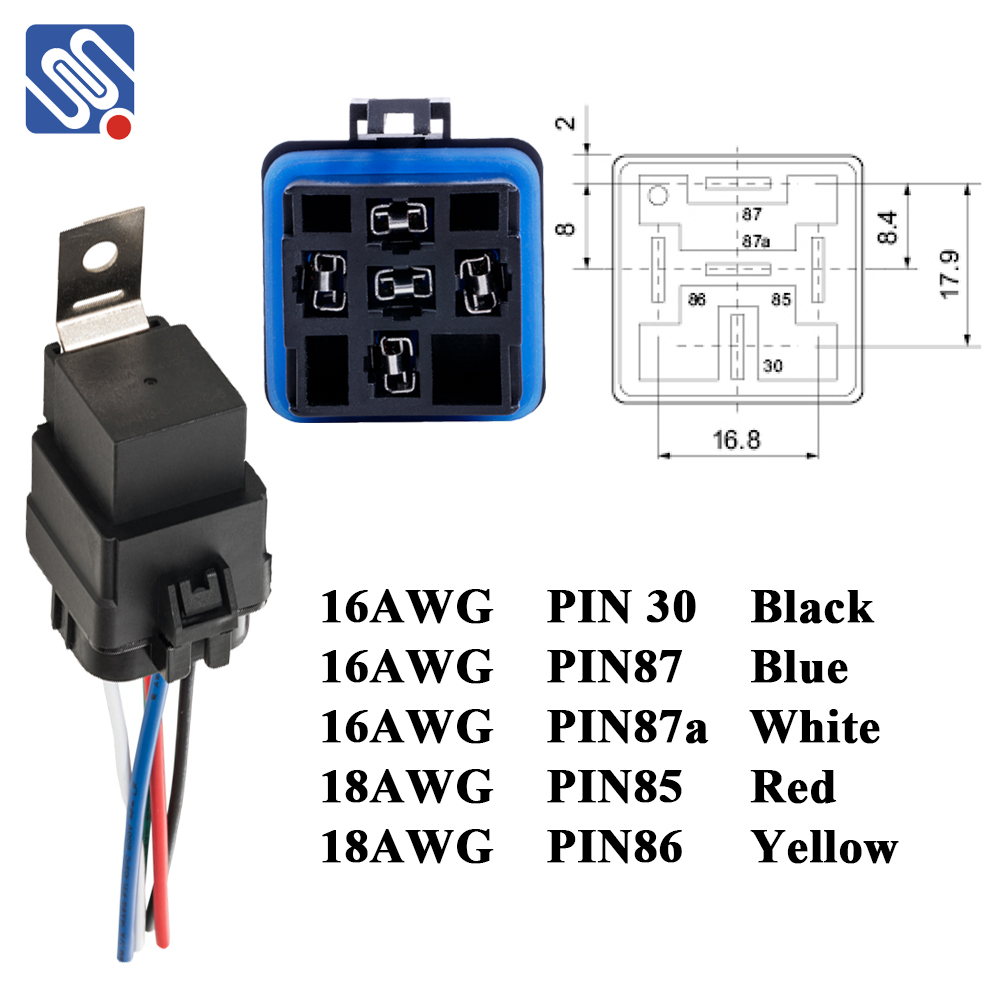
What is a Relay? At its core, a relay is an electromagnetic switch that operates by using an electric current to produce a magnetic field. This field then activates the relay’s switching mechanism, allowing the control of a separate, typically higher-power circuit. Relays are primarily used when there is a need to control a large load, like an electric motor or a high-wattage light, using a much smaller, lower-power control signal, such as from a microcontroller or a manual switch. The Components of a Relay Before diving into relay wiring, it’s important to understand the basic components of a relay:
Leave a Reply