In recent years, the importance of efficient irrigation systems has become increasingly evident, especially in agricultural and horticultural practices. A crucial component of these systems is the watering system solenoid valve. This valve plays a significant role in automating water flow, facilitating the precise control necessary for effective watering. In this article, we will delve into the functionality, advantages, applications, and maintenance of watering system solenoid valves, highlighting their importance in modern irrigation systems.
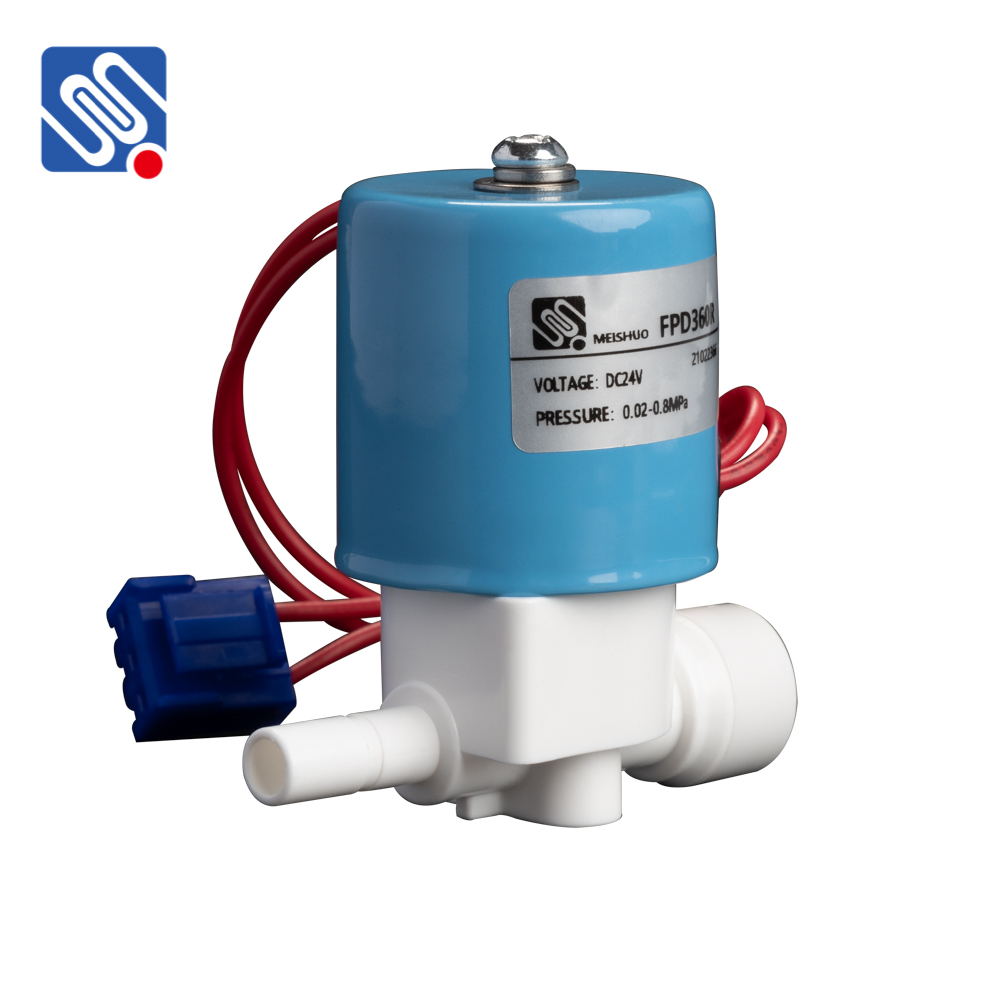
What is a Watering System Solenoid Valve? A watering system solenoid valve is an electromechanical device that regulates water flow in irrigation systems. It consists of a valve body with an internal mechanism controlled by an electric solenoid. When electrical current flows through the solenoid, it generates a magnetic field that moves a plunger, either opening or closing the valve to control water flow. This automation allows for timed or triggered irrigation, making it a vital component for both residential gardens and large-scale agricultural operations. How Does It Work? The operation of a watering system solenoid valve is straightforward. When connected to a controller or timer, the valve receives electrical signals indicating when to open or close. This operation can be linked to a variety of sensors—such as moisture sensors, rain sensors, or programmable controllers—to optimize water use based on environmental conditions. In essence, when the controller sends a signal to the solenoid, the valve opens, allowing water to flow through, and when the signal stops, the valve closes, halting the water flow. This on-and-off functionality is essential for maintaining healthy soil moisture levels without waste.
Leave a Reply