A bistable relay, also known as a latching relay, is an essential component in many modern electronic systems. Unlike conventional relays that require continuous electrical power to maintain their switched state, a bistable relay can hold its state without the need for a constant current. This unique characteristic provides significant energy savings and allows it to be used in a wide range of applications where power efficiency is crucial. In this article, we will explore the working principles, advantages, and key applications of bistable relays.
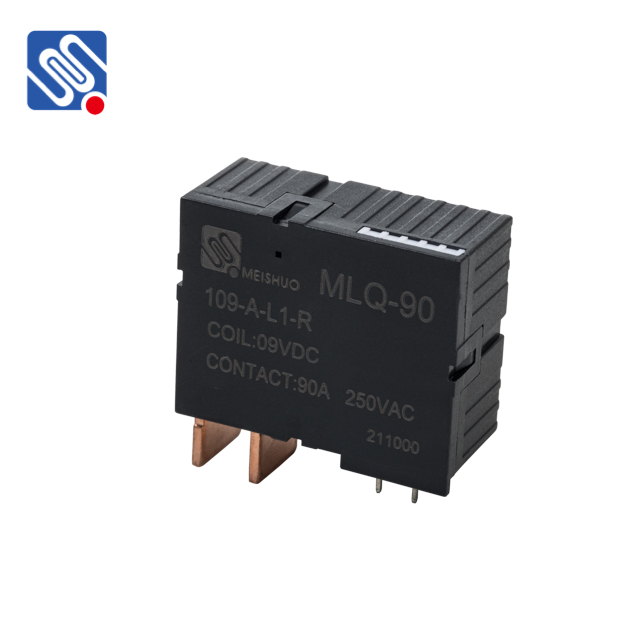
What is a Bistable Relay? A bistable relay is a type of electromagnetic relay that has two stable states: typically referred to as “set” and “reset.” When the relay is activated by a pulse, it switches from one stable state to the other. Once the relay has switched, it will remain in that state without requiring any additional power. To change the state again, a different pulse is applied, which switches the relay to the other state. This ability to hold a state without continuous power is what makes bistable relays particularly useful in low-power and energy-efficient systems. How Does a Bistable Relay Work?
Leave a Reply