Electromechanical relays (EMRs) are fundamental components widely used in electronic and electrical systems for controlling high-power circuits with low-power control signals. These relays are considered one of the most reliable and cost-effective devices for switching applications. With their ability to electrically isolate circuits, EMRs play a significant role in various industries, from industrial automation to home appliances and automotive systems. This article explores the working principles, components, advantages, disadvantages, and common applications of electromechanical relays.
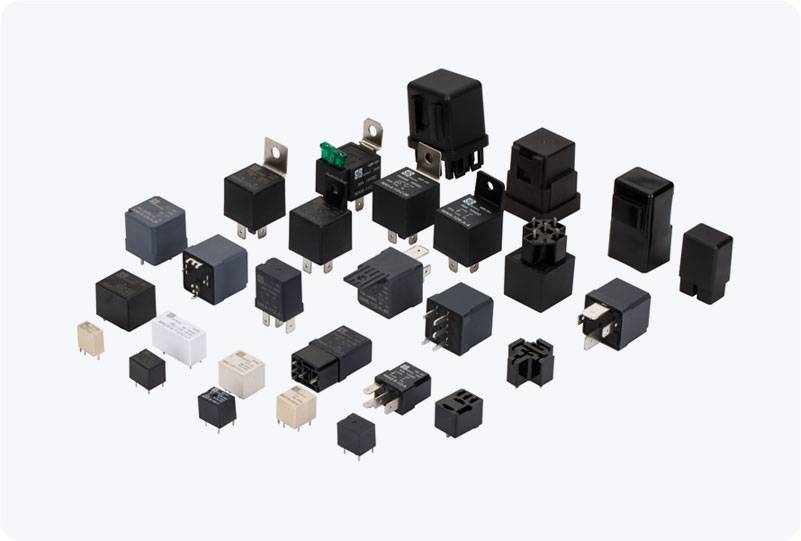
Principles of Operation At the core of the electromechanical relay is its ability to control the switching of circuits through electromagnetic principles. When an electric current flows through the coil of the relay, it generates a magnetic field that attracts a movable armature. This action brings the armature in contact with a set of electrical contacts, either opening or closing them, depending on the type of relay. These movements control the flow of current in the connected circuit, which can switch on or off high-power devices such as motors, lights, or other electrical loads. When the power to the coil is switched off, the magnetic field collapses, and the armature is returned to its original position by a spring, thus resetting the contacts. This cyclical action allows the relay to switch between open or closed states, allowing electrical isolation between the control circuit (low-power) and the load circuit (high-power).
Leave a Reply