Relay safety features are crucial components in the protection of electrical systems, playing a vital role in preventing equipment damage and ensuring user safety. These features are designed to monitor and control electrical circuits, preventing hazards such as overloads, short circuits, and electrical fires. In industrial, commercial, and residential applications, relays offer several safety benefits by detecting faults and automatically isolating the problem areas, minimizing the risks posed to people and machinery.
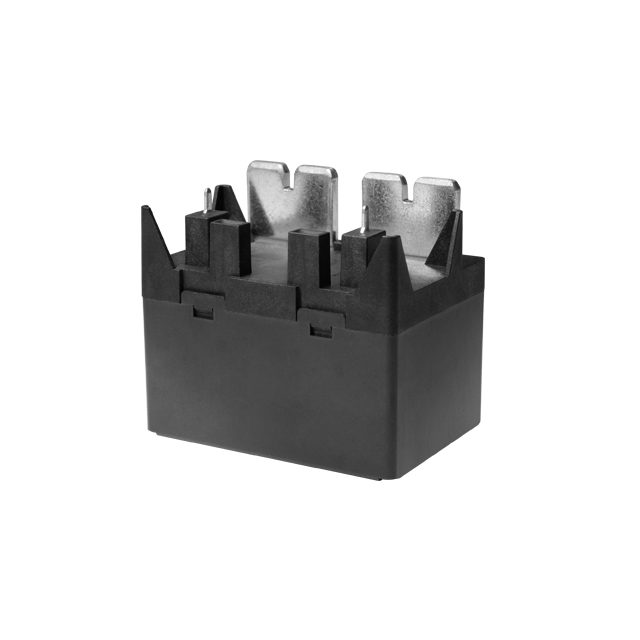
1. Overcurrent Protection One of the primary functions of relay safety features is overcurrent protection. Overcurrent can occur due to a short circuit or an overload in the electrical circuit, potentially leading to severe damage. If the current exceeds a predetermined threshold, the relay detects this excess current and trips the circuit. This helps prevent equipment from burning out and reduces the risk of electrical fires. For instance, motors, transformers, and cables can be protected from overheating and damage by using relays to interrupt the current flow when necessary. 2. Undervoltage and Overvoltage Protection
Leave a Reply