In today’s rapidly advancing technological landscape, the importance of safety in electrical systems cannot be overstated. Among the myriad of components that contribute to the safe and efficient operation of these systems, relays play a crucial role. Relay safety features are designed to protect both the equipment and the individuals who operate them. This article delves into the various safety features associated with relays, emphasizing their necessity in safeguarding electrical systems.
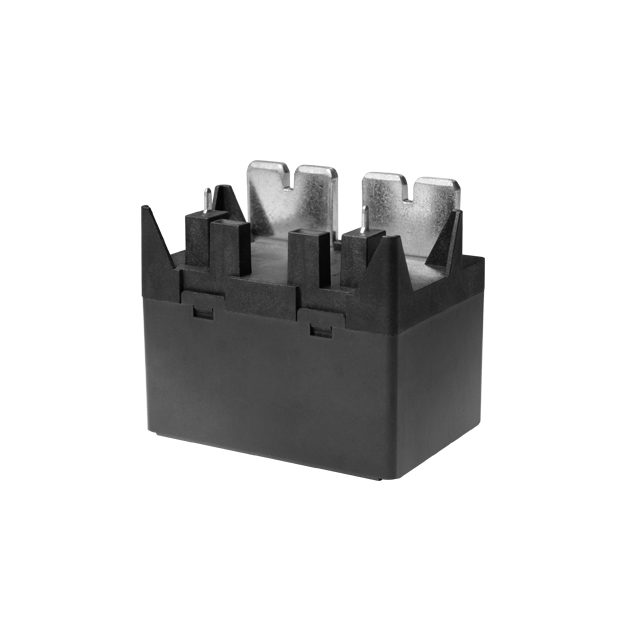
The Function of Relays Before discussing safety features, it is imperative to understand the function of relays. A relay is an electromechanical switch that uses an electromagnetic coil to control the opening and closing of one or more switch contacts. They are used to control a circuit by a low-power signal or to manage multiple circuits with a single signal. Given their critical role in controlling power, having robust safety features is vital to prevent accidents and equipment damage. Overcurrent Protection One of the most fundamental safety features of relays is overcurrent protection. This function safeguards circuits from excessive current that can lead to overheating and potential fires. When the current surpasses a predetermined threshold, the relay trips and disconnects the circuit. This feature is essential for protecting appliances, machinery, and electrical threads that could be compromised by a current surge.
Leave a Reply