Lockout Hasps are essential components in industrial safety protocols, specifically within the Lockout/Tagout (LOTO) procedure. Designed to prevent the accidental release of hazardous energy during equipment maintenance, Lockout Hasps serve as a physical barrier that ensures only authorized personnel can operate machinery or devices. This article explores the importance of Lockout Hasps, their features, how they function, and their applications in ensuring workplace safety.
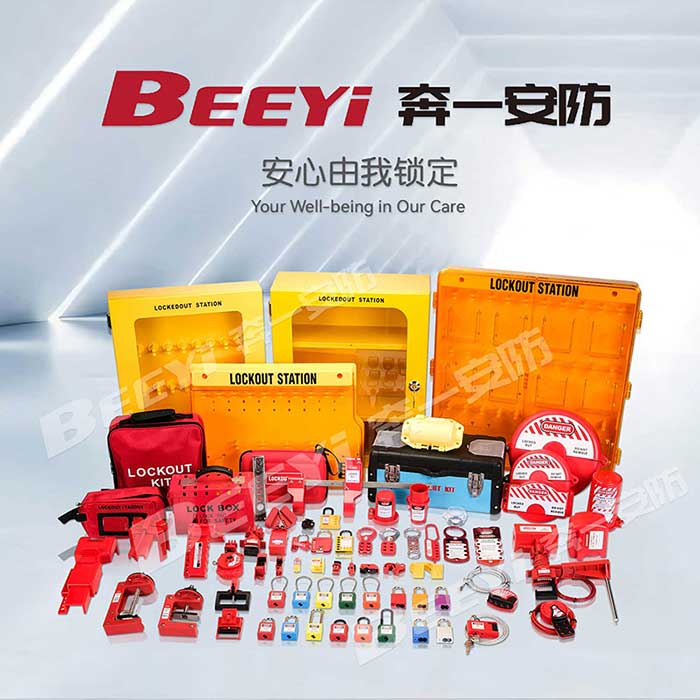
What is a Lockout Hasp? A Lockout Hasp is a simple yet vital tool used in the Lockout/Tagout safety procedure to secure energy-isolating devices during maintenance, repair, or cleaning processes. It is typically made of durable materials like steel or stainless steel and features a hinged mechanism with several holes designed to accommodate multiple locks. Each lock corresponds to an individual worker, ensuring that no one can remove the hasp until all involved personnel have safely disconnected their locks. Lockout Hasps serve a crucial role in preventing the accidental startup of equipment that is under repair. This guarantees that the machinery remains in a de-energized state, protecting workers from injuries caused by unexpected operations.
Leave a Reply